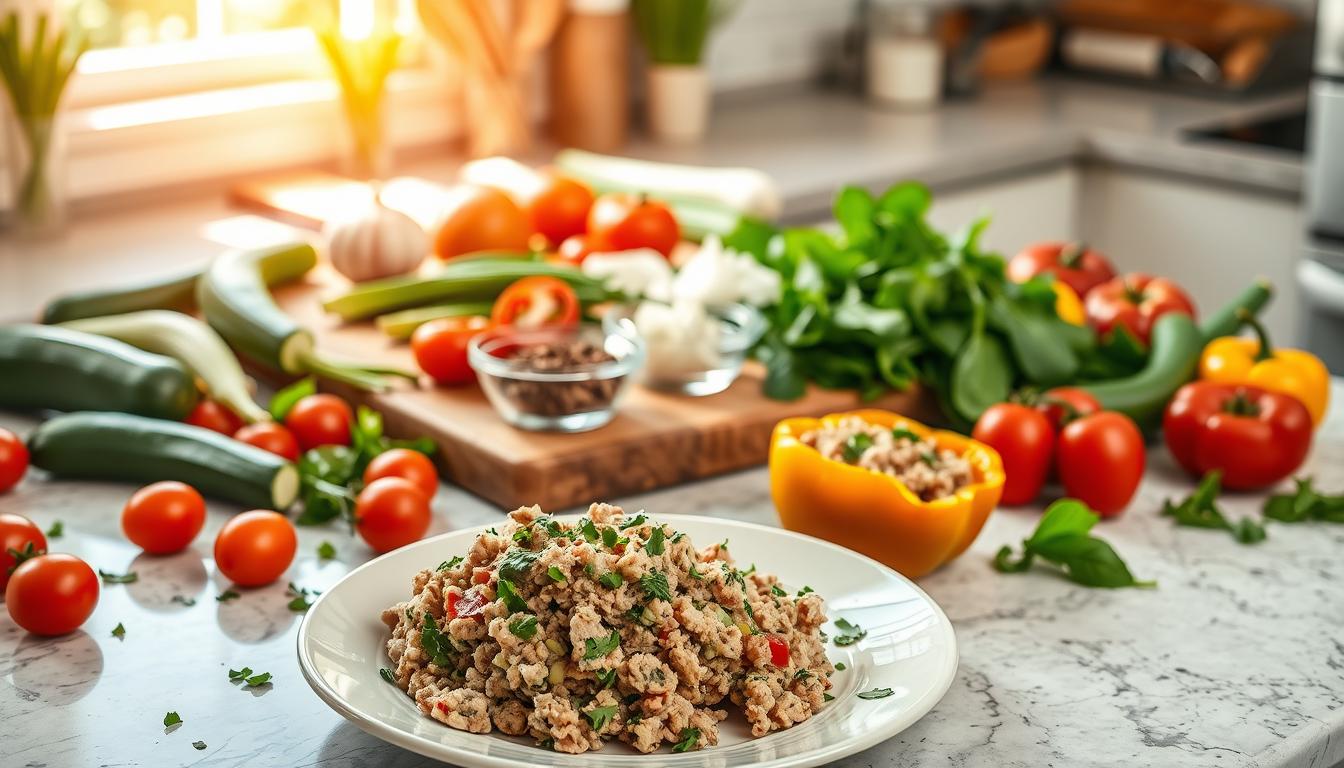
I remember the exact moment I realized my family dinners needed a change. Standing in my kitchen after a long workday, I felt exhausted by the cycle of ordering takeout just to get food on the table. I wanted to serve meals that felt like a warm hug, but I also needed them to fuel our busy lives.
That is when I started my journey to transform standard pantry staples into nutritious, high-protein meals. I discovered that by focusing on ingredient quality and smart preparation, I could keep the comfort we all crave while boosting the nutritional value of every bite.
It truly changed everything for me. By choosing high-quality options like those found in these healthy ground beef dinners with protein, I found a way to balance flavor and wellness. I now rely on simple strategies to ensure my kitchen remains a place of nourishment, even on the most hectic weeknights.
Key Takeaways
- Prioritize high-quality protein sources to ensure every meal is satisfying.
- Incorporate fresh vegetables to boost fiber and essential nutrients.
- Use smart cooking methods like grilling or air-frying to keep dishes light.
- Batch cook your proteins to save time during busy work weeks.
- Focus on herbs and spices to add flavor without relying on excess salt.
The Foundation of Choosing Quality Ground Meat
When I plan a high-protein dinner, the quality of my ground meat is key. I choose ingredients that are nutritious and low in saturated fat. This ensures my meals are full of iron, zinc, and B vitamins.
Understanding Lean-to-Fat Ratios
Shopping for ground meat can be tough, but focusing on lean-to-fat ratios helps. I look for lean ground beef with a 90/10 or 95/5 ratio to control calories. To learn more, check out understanding ground beef labels.
I also consider ground turkey nutrition. Turkey is often leaner, but I check the label for breast meat. This ensures it’s not mixed with skin or dark meat, which can add extra fat.
The Benefits of Grass-Fed and Organic Options
When I can, I choose grass-fed products. The grass-fed beef benefits include more omega-3 fatty acids than grain-fed beef. Organic options also mean no synthetic hormones or antibiotics in my food.
Identifying Freshness at the Butcher Counter
Freshness is a must when picking my protein. I look for a bright, cherry-red color in beef. A dull or brownish color means it’s been exposed to air too long.
I also trust my senses. The meat should smell neutral and clean, not sour or off-putting.
| Meat Type | Protein per Serving | Fat Content | Best Use |
|---|---|---|---|
| Lean Ground Beef | 22g | Low | Burgers & Tacos |
| Ground Turkey | 20g | Very Low | Meatballs & Chili |
| Grass-Fed Beef | 25g | Moderate | Steak-style Patties |
Essential Techniques to Make Ground Meat Recipes Healthy
Getting the right mix of taste and nutrition starts with how you prep your meat. By focusing on healthy meat preparation, you can make your cooking better and stay on track. These easy changes help keep your cooking time short and your dishes tasty.
Pre-cooking Preparation and Rinsing Methods
When I work with lean ground beef, I watch the fat content closely. If it releases a lot of grease while cooking, I drain it right away. This simple step cuts down on calories without losing flavor.
For healthy weeknight meals, getting rid of excess fat is key. It stops your meal from feeling heavy or greasy. Using a slotted spoon or paper towel to dab the surface makes it cleaner.
Managing Moisture Without Adding Unhealthy Fats
Keeping meat moist is a challenge with leaner cuts. Instead of extra oil or butter, I use low-sodium vegetable broth. It keeps the meat tender and adds flavor.
Adding finely diced veggies also helps keep moisture in. This is a key part of my healthy meat preparation routine. It adds bulk and fiber, making your healthy weeknight meals more filling and juicy.
The Importance of Proper Browning for Texture
Proper browning gives your home-cooked dishes a professional touch. When you let the meat sear without moving it, you get a rich, caramelized crust. This process, called the Maillard reaction, makes lean ground beef taste like a gourmet dish.
I make sure my pan is hot before adding the meat to avoid steaming it. A good sear adds complex flavors that make your cooking stand out. By mastering this, you can turn simple ingredients into a meal that’s both indulgent and healthy.
Incorporating Nutrient-Dense Vegetables into Your Mix
Adding fresh veggies to your meat mix is a great way to make your cooking better. It’s the heart of nutrient-dense cooking. This method makes your meals healthier without losing flavor.
Using these methods, you can make vegetable-packed recipes that everyone will love. For more ideas, check out this healthy cooking guide to improve your cooking skills.
Finely Chopping Mushrooms to Extend Meat
Mushrooms are great for stretching your protein budget and adding flavor. I chop them finely in a food processor until they’re like ground meat. This way, they blend well, making the dish feel meaty.
Adding Grated Zucchini and Carrots for Fiber
Grated zucchini and carrots boost the fiber in your dishes. I squeeze out the zucchini’s moisture before adding it. This keeps the meat moist and adds a sweet flavor.
Blending Spinach and Kale into Meatballs
When making meatballs, I mix in chopped spinach or kale. These greens add lots of vitamins and minerals. Blanching them first makes them blend in better, creating a vibrant and healthy dish.
Tips for Hiding Vegetables from Picky Eaters
If you’re cooking for picky eaters, chop your veggies finely. A grater or food processor helps them blend into the meat. When the mix is smooth, even the most finicky eaters will enjoy these nutrient-dense cooking dishes without noticing the greens.
Smart Substitutions for Traditional Ingredients
Making small changes in the kitchen can greatly improve the health of our meals. By choosing healthy meat substitutions, we can make classic dishes better without losing their taste. These tweaks help us eat well and keep cooking fun.
Swapping Breadcrumbs for Rolled Oats or Quinoa
Instead of breadcrumbs, I use rolled oats or quinoa to bind meat. This adds more fiber. For tender meatballs, try crushed Ritz crackers as a binder. It keeps the dish’s shape and adds a special flavor.
Using Greek Yogurt Instead of Heavy Cream
When a recipe asks for heavy cream, I choose Greek yogurt. It adds a tangy taste and more protein. This makes the sauce creamy but lighter than usual.
Replacing High-Sodium Sauces with Fresh Herbs
I focus on low-sodium cooking by avoiding processed sauces. Instead, I use spices and herbs to add flavor. Fresh herbs like parsley and basil make salt unnecessary.
Natural Thickeners for Sauces and Gravies
To thicken gravies, I use pureed veggies or arrowroot powder. These keep the dish healthy and free from additives. They blend well, ensuring a smooth sauce every time.
| Traditional Ingredient | Healthy Alternative | Primary Benefit |
|---|---|---|
| Breadcrumbs | Rolled Oats | Increased Fiber |
| Heavy Cream | Greek Yogurt | Higher Protein |
| Salted Sauces | Fresh Herbs | Lower Sodium |
| White Flour | Arrowroot Powder | Gluten-Free Texture |
Mastering Lean Cooking Methods for Better Nutrition
Using lean cooking methods can really change how you eat. It helps cut down on calories and keeps food tasty. These methods are key for those trying easy chicken thigh recipes for beginners or cooking with lean meats.
The Advantages of Baking Over Pan-Frying
I prefer baking over pan-frying because it doesn’t need extra oils. When I bake meatballs or meatloaf, the fat melts and drips off. This simple change keeps my meals light but full of flavor.
Utilizing Air Fryers for Crispy Results
The air fryer is my go-to for a crispy texture. It uses hot air to cook food like deep-frying, but with much less fat. It’s great for ground meat patties, giving them a crispy outside and a juicy inside.
Steaming and Poaching Techniques for Ground Poultry
Ground poultry is delicate, so I steam or poach it to keep it moist. These lean cooking methods help prevent the meat from drying out. When making a quick stir-fry, I cook it without a lid. This keeps the veggies crisp and colorful.
- Baking: Best for uniform cooking and fat reduction.
- Air Frying: Ideal for achieving a crispy texture without oil.
- Steaming: Keeps ground poultry moist and tender.
Flavor Enhancements Without Excess Sodium or Sugar
My cooking style focuses on adding depth with natural ingredients, not too much salt. I think low-sodium cooking should be just as tasty as any other way. By using the right spices and fresh veggies, every meal feels special and fulfilling.
Building Flavor Profiles with Dry Spices
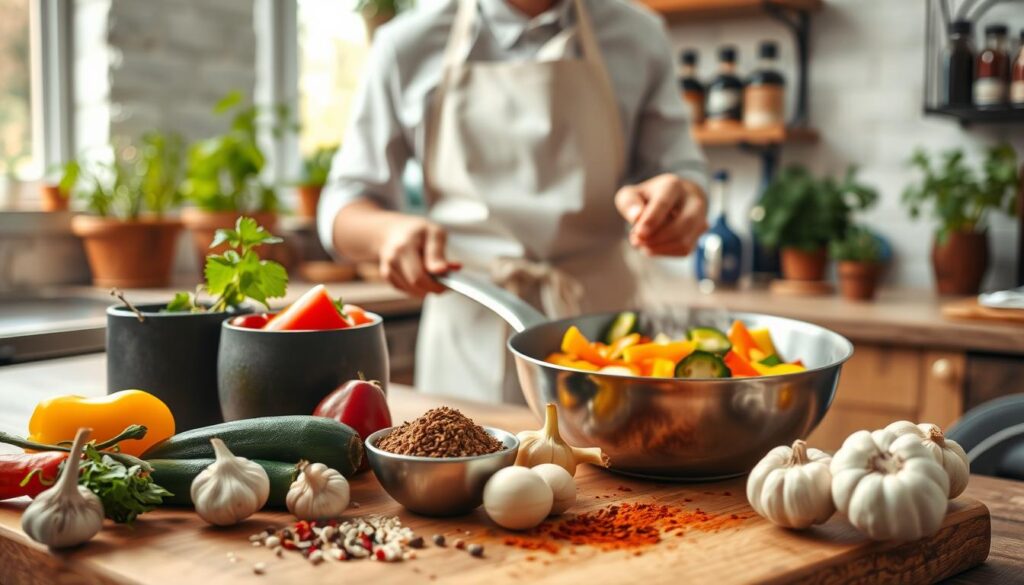
Dry spices are key to a great dish. I avoid salty seasoning mixes and make my own blends. I use smoked paprika, cumin, and coriander for a warm, earthy flavor that pairs well with meat.
For a quick dinner boost, I add a tablespoon of red curry paste. This simple step turns a basic Bolognese into a flavorful dish in just 35 minutes. It shows how low-sodium cooking can be both quick and full of flavor.
Using Aromatics Like Garlic, Ginger, and Onions
Fresh aromatics are the base of my recipes. Cooking onions, garlic, and ginger creates a strong flavor base. This makes the meat taste rich and savory right from the start.
Using these ingredients helps me use less salty sauces. When your dish is already full of flavor, you don’t need as much salt. This trick is key for low-sodium cooking.
Incorporating Acidic Elements Like Lemon or Vinegar
The last step is adding a bit of acidity. A squeeze of lemon or apple cider vinegar at the end brightens the dish. This acidity balances the meat’s richness, leaving a clean and vibrant taste.
By using these techniques, my meals stay healthy and tasty. These methods make low-sodium cooking a tasty and lasting part of my daily meals.
Portion Control and Balanced Meal Planning
When I plan my meals, I aim for a balance that keeps me full and meets my nutritional needs. I’ve found that balanced meal planning is key to a healthy lifestyle. It lets me enjoy a high-protein dinner every night.
Calculating Serving Sizes for Optimal Nutrition
Tracking my portions is the best way to stay within my daily calorie limit. A standard serving of ground meat is three to four ounces. This amount gives me plenty of protein without too many calories.
Using a food scale or measuring cups helps me avoid overeating at dinner. This simple habit lets me enjoy my favorite dishes while keeping my health goals in mind.
Pairing Ground Meat with Whole Grains
I always pair my protein with complex carbs. Whole grains like quinoa, farro, or brown rice add fiber. They keep me full for longer.
This is a key part of my nutrient-dense cooking strategy. These grains give me steady energy, preventing the energy crashes I used to get from refined starches.
Creating Balanced Plates with Leafy Greens
No meal is complete without a big serving of leafy greens for me. Spinach, kale, or arugula add vitamins and minerals without extra calories.
I mix these greens into my ground meat dishes or serve them as a fresh salad. This makes sure every high-protein dinner is both colorful and nutritious. It helps me stay healthy and vibrant.
Storing and Reheating Ground Meat Safely
I’ve learned that safe meat storage is key to a stress-free kitchen. When you prepare healthy meals, you want them to stay fresh and safe. Simple steps help keep your food quality high and prevent harmful bacteria.
Proper Cooling Techniques to Prevent Bacteria
Cooling your food quickly is the first step in safe meat storage. I never let cooked ground meat sit out for more than two hours. I divide large batches into smaller, shallow containers to cool faster.
This method helps the heat escape quickly, keeping the meat safe from bacteria. Once cool, I seal the containers tightly to keep freshness in. You can store these leftovers in your fridge for up to four days.
Best Practices for Freezer Storage
If I can’t eat my meal in a few days, I freeze it. Freezing keeps the nutritional value of your ground meat recipes for months.
- Use heavy-duty freezer bags to prevent freezer burn.
- Remove as much air as possible from the bag before sealing.
- Always label your containers with the date so you can track freshness.
- Lay bags flat in the freezer to save space and ensure even thawing.
Reheating Methods That Maintain Texture and Moisture
Reheating can make meat dry and crumbly. I use gentle heat on the stovetop instead of the microwave. Adding a splash of water or broth helps rehydrate the meat and keeps its texture.
If you must use a microwave, cover the dish with a damp paper towel. This keeps the meat moist and prevents it from becoming tough. By following these safe meat storage and reheating tips, every leftover meal tastes great.
Creative Ways to Use Leftover Healthy Ground Meat
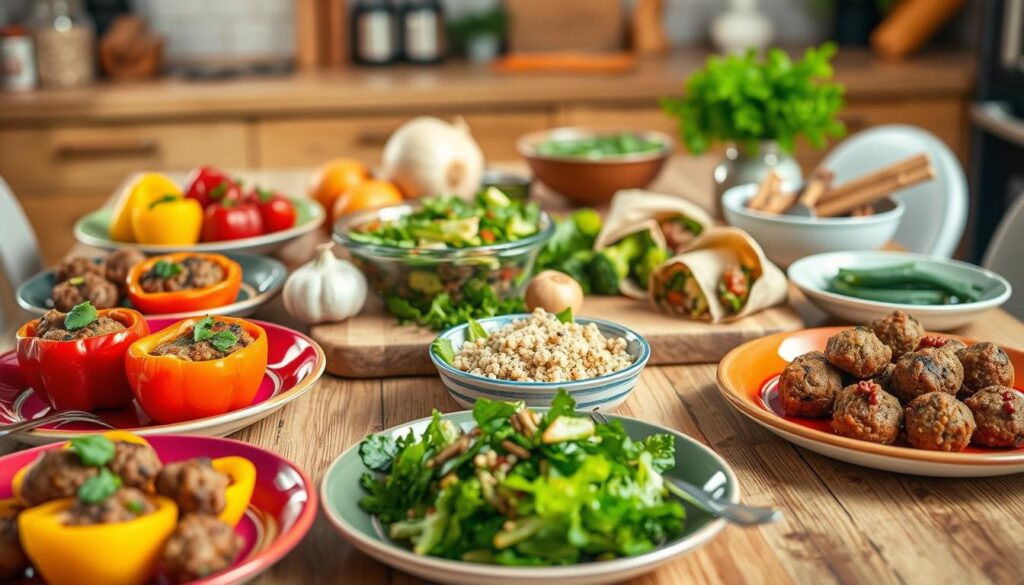
I always try to use every ingredient to make sure I have healthy weeknight meals ready. I enjoy finding new ways to make yesterday’s dinner into something new and exciting. This way, I reduce food waste and stay on track with my nutrition goals.
Transforming Taco Meat into Breakfast Scrambles
One of my top leftover meat ideas is using taco meat for breakfast. I mix the meat with eggs and spinach in a skillet. The taco seasoning adds a rich flavor that goes great with the eggs.
Repurposing Meatballs for Nutrient-Rich Soups
When I have extra meatballs, I slice them and add them to vegetable soup. This boosts the soup’s protein, making it more filling. It’s a quick and efficient way to get the nutrients I need during a busy week.
Using Leftover Crumbles for Quick Salad Toppers
I often use leftover ground meat crumbles on my salads. By reheating the meat with balsamic vinegar, I add a savory touch. This turns a simple salad into a filling and balanced meal.
| Method | Best Use | Prep Time |
|---|---|---|
| Breakfast Scramble | Morning Protein | 5 Minutes |
| Vegetable Soup | Hearty Dinner | 10 Minutes |
| Salad Topper | Quick Lunch | 3 Minutes |
Conclusion
Making ground meat recipes healthy is easy and changes how you cook. You can boost your nutrition by picking better ingredients and using smart cooking methods.
Look at your grocery list with new eyes. Choose lean proteins and add colorful veggies to make meals that nourish your body. These small changes can bring big wellness benefits to your family.
I want to help you feel confident in trying new flavors. You can make simple ingredients into delicious, healthy dishes. Start making better food choices today in your kitchen.
Share your favorite dishes with friends or family to spread the joy of healthy cooking. Your journey to healthier ground meat recipes begins with one choice at a time. Enjoy building a stronger, more vibrant life through the food you make.
FAQ
How do I choose the healthiest ground meat at the grocery store?
I look for lean-to-fat ratios like 90/10 or 93/7 at the butcher counter. I choose lean ground beef or turkey from brands like Applegate or Organic Prairie. This ensures I get essential iron and B vitamins while keeping saturated fat levels manageable.
Understanding the benefits of grass-fed options helps me pick meat that fits my goal of a high-protein dinner.
What is the best way to reduce the calorie count of my ground meat dishes?
To keep my meals light, I drain excess grease after browning. This simple step lowers the calorie count without losing flavor. I use a Lodge cast iron skillet to get the perfect texture while managing fat content.
How can I add more fiber and nutrients to my meat-based recipes?
Adding finely chopped mushrooms or grated zucchini to the meat increases fiber and vitamins. This makes it easy to sneak more greens into your diet without changing the meal’s consistency.
What are some healthy substitutions for traditional binders like breadcrumbs?
I use Quaker Oats or cooked quinoa instead of breadcrumbs to boost fiber and protein in meatballs and meatloaf. For creamy sauces, I swap heavy cream for Fage Greek yogurt. These changes help me cook with less sodium by using fresh herbs and spices.
Are there specific cooking methods that are better for lean ground poultry?
Yes, baking or using a Ninja Air Fryer is better for lean ground poultry. These methods help achieve a crispy exterior without using too much oil. Adding pureed vegetables keeps the meat moist and flavorful.
How can I build flavor in my dishes without using high-sodium sauces?
I use aromatics like fresh garlic, ginger, and onions to build flavor. I also use McCormick dry spices for complex profiles. Adding acidic elements like lemon juice or Bragg Apple Cider Vinegar brightens the flavors and makes low-sodium cooking feel indulgent.
How do I ensure my meal is nutritionally balanced?
Balanced meal planning is key. I pair high-protein meat with complex carbohydrates like Bob’s Red Mill brown rice or farro and a lot of leafy greens. Calculating serving sizes helps me enjoy a satisfying meal while meeting my nutritional targets.
What is the safest way to store and reheat cooked ground meat?
I cool cooked portions quickly and store them in an airtight container like a Pyrex glass bowl. I keep them in the fridge for no more than four days. Reheating on the stovetop is better than the microwave to keep the meat moist and prevent it from becoming rubbery.
Do you have any creative ideas for using leftover ground meat?
I have many ideas for using leftover meat. I turn seasoned taco meat into a breakfast scramble or add leftover meatballs to a vegetable soup. These ideas help me maintain healthy weeknight meals without cooking from scratch every evening.