I once stared into my fridge at noon, feeling stuck with the same turkey wrap for days. This midday slump is real, caused by a lack of variety in our meals. When we eat the same things every day, our energy and motivation drop.
Switching to healthy lunch ideas changed my workday. By trying creative alternatives, I started to enjoy my lunch break. If you’re looking for new ideas, check out what to make with leftover rotisserie chicken.
Adding non-sandwich lunch ideas to your routine is a big change. These easy, healthy options give you the energy to get through a busy afternoon. Taking charge of your lunch can greatly improve your well-being.
Key Takeaways
- Breaking the sandwich habit prevents midday burnout and keeps your palate excited.
- Focusing on nutrient-dense ingredients helps maintain steady energy levels throughout the afternoon.
- Utilizing leftovers is a smart way to save time while preparing delicious, wholesome meals.
- Simple preparation methods ensure you stay consistent with your health goals during hectic workdays.
- Variety is the secret to staying motivated and avoiding the common lunch rut.
The Philosophy of Stress-Free Meal Prep
Managing my nutrition during a busy week is more than just good intentions. It’s about having a solid philosophy. I see food preparation as a way to take care of myself, turning it into a rewarding ritual.
By embracing meal prep, I control my health and schedule at the same time.
Why Planning Ahead Saves Your Sanity
Planning my meals ahead of time removes the stress of deciding what to eat. I no longer panic in the middle of the day, searching for a healthy option when I’m tired. Meal planning is my shield against the chaos of a demanding work week.
Knowing what I’m eating saves me time and keeps me from spending too much on unhealthy takeout. This approach ensures I always have a balanced meal ready. It helps me stay focused and productive all day.
Essential Tools for Packing Lunches
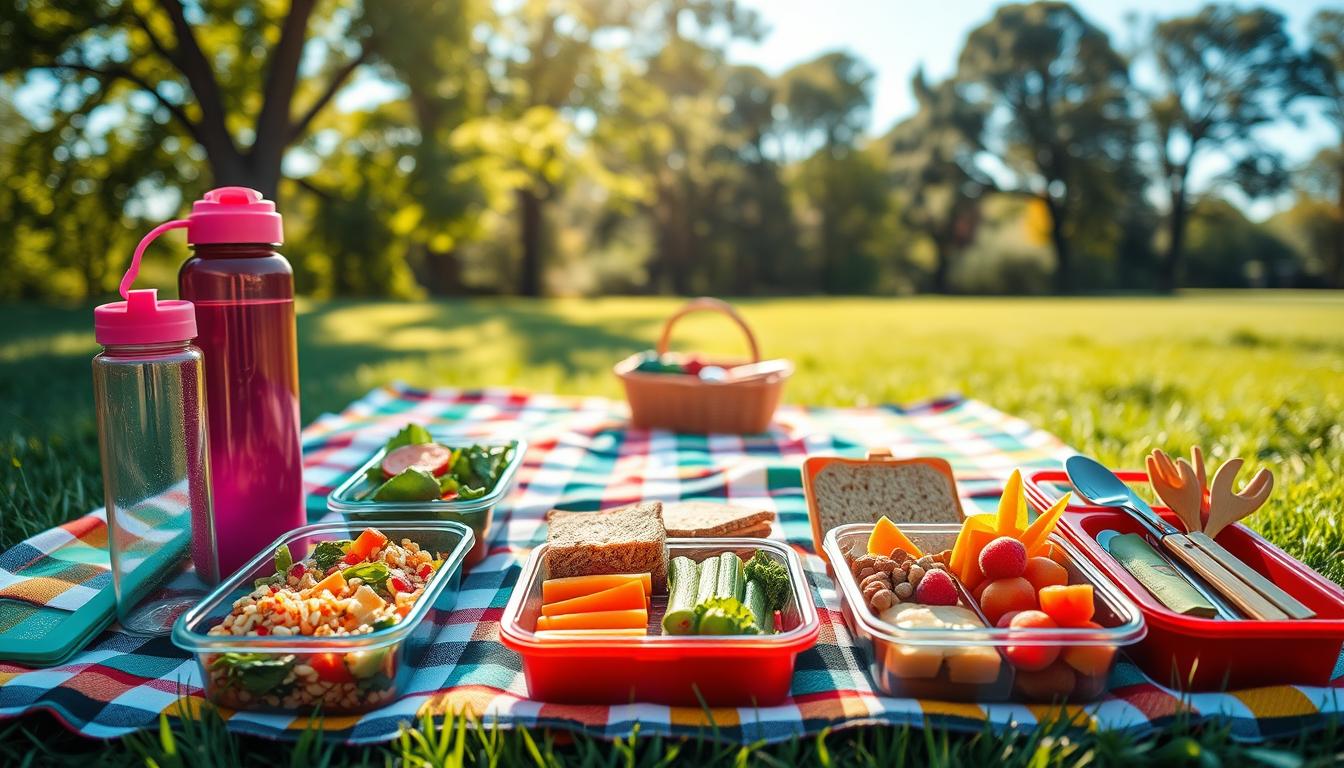
The right tools are as important as the food. I use high-quality lunch containers that are leak-proof and easy to clean. Durable glass or BPA-free plastic containers make a big difference in keeping my food fresh until noon.
I also use an insulated bag with a reliable ice pack to keep my packed lunches at the right temperature. These tools help me prepare meals in advance without worrying about quality or safety.
Mastering the Art of Easy Lunches to Pack
Looking at my lunch, I see a chance to stay focused and energized until dinner. Creating a meal plan is about knowing how food groups work together. By choosing easy lunches to pack, you can simplify your mornings and eat well.
Balancing Macros for Sustained Energy
To make high energy lunches, I aim for a mix of carbs, proteins, and fats. This mix stops the afternoon slump by keeping my blood sugar steady. I seek out healthy lunch ideas that include these elements in every meal.
Here’s how I plan my meals for energy and focus:
- Complex Carbohydrates: Foods like quinoa, brown rice, or sweet potatoes give steady energy.
- Lean Proteins: Grilled chicken, chickpeas, or hard-boiled eggs help keep muscles strong.
- Healthy Fats: Avocado, nuts, or olive oil dressings aid in nutrient absorption and fullness.
Portion Control and Container Selection
Choosing the right lunch containers is key. I love using a bento box because it keeps food groups apart and prevents mess. These containers help with portion control without needing to measure every ingredient.
Divided containers help me see my portions easily. When my food is organized, I’m more likely to eat healthy all week. Investing in quality gear makes the whole process easier and more enjoyable.
Step One: Building a Foundation with Batch Grains
Learning to make grain bowls starts with having cooked quinoa and brown rice on hand. These staples are key to good meal planning. Setting aside time on the weekend for meal prep makes quick lunches a breeze.
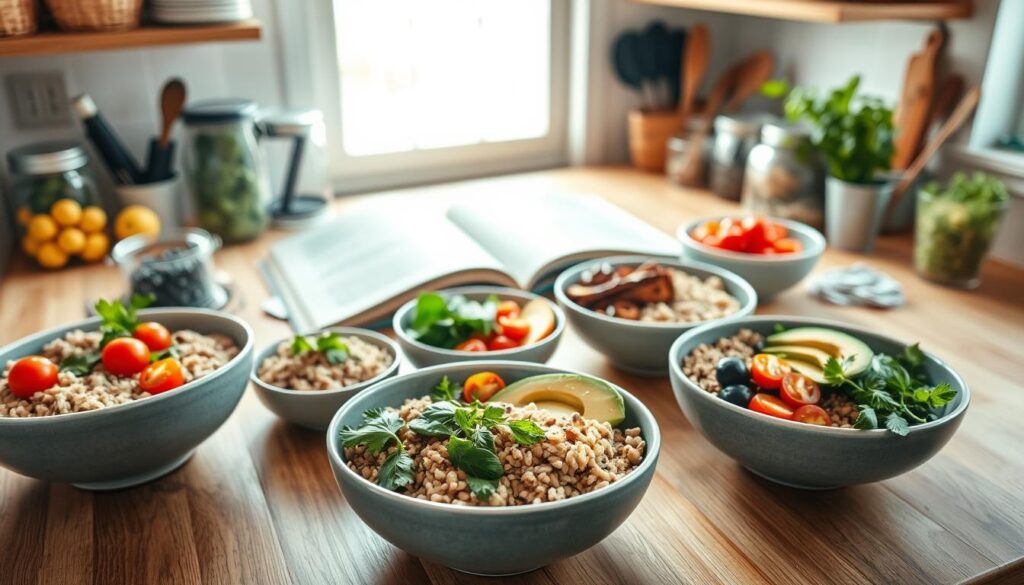
Cooking Quinoa and Brown Rice in Bulk
I use a big pot or a rice cooker for my grains. For quinoa, I rinse it well to get rid of bitterness. This makes it light and fluffy, perfect for any dish.
For brown rice, I mix two parts water with one part grain. I boil the water, then lower the heat and cover it. Patience is key here, as it takes about forty-five minutes to cook right.
“Preparation is the ultimate shortcut to success in the kitchen, turning chaotic weekdays into a seamless experience of nourishment.”
Storing Grains to Maintain Freshness
Storing grains right is key to keeping them fresh all week. I let them cool down before putting them in airtight containers. This stops moisture buildup, which can spoil them.
Here are some tips for storing:
- Use glass containers to prevent flavor absorption from other foods.
- Label your containers with the date to track freshness easily.
- Keep grains in the coldest part of your refrigerator for maximum longevity.
By following these steps, your grains will stay good for up to five days. Having these ingredients ready makes it easy to whip up healthy grain bowls anytime.
Step Two: Preparing Versatile Proteins
Going beyond deli meat can really boost your lunch game. By choosing versatile protein sources, you can whip up a bunch of non-sandwich lunch ideas. These keep you full until dinner. I focus on proteins that stay good in the fridge and go well with grains or greens.
Sheet Pan Roasted Chicken Breast
Sheet pan roasting is the best for cooking a lot of protein at once. Just season your chicken with olive oil, salt, pepper, and herbs before baking until it’s golden. This method makes the chicken juicy and tender, perfect for wraps or grain bowls.
After it cools, I slice or shred the chicken for easy grabbing during a busy day. Having this pre-cooked protein is a big time-saver. It’s one of my top quick lunch recipes.
Hard-Boiled Eggs and Chickpea Alternatives
Hard-boiled eggs and chickpeas are great for mixing up your meals. Eggs are a high-quality protein that’s easy to make in bulk. I boil a dozen at the start of the week for salads or quick snacks.
Chickpeas are also a top choice for plant-based meals. You can roast them for a crunchy texture or just rinse them from a can. They add fiber and bulk to your bowls. These ingredients are key for anyone wanting simple, quick lunch recipes that are always exciting.
Step Three: Incorporating Fresh Vegetables and Greens
I find that adding crisp vegetables makes my meals better. Fresh greens give me fiber and nutrients, keeping me full. When making packed lunches, I choose produce that stays fresh for days.
Preventing Wilted Salads with Layering Techniques
Salads can turn soggy fast. I use a special layering technique to keep my greens crisp. I put the dressing at the bottom of the container to keep the leaves dry.
Then, I add ingredients like chickpeas or grains to protect the greens. I put the greens on top last. This keeps my cold lunch ideas fresh and prevents wilting.
Choosing Vegetables That Hold Up Well
Not all veggies are good for meal prep. I pick ones that stay crunchy in the fridge. Bell peppers, cucumbers, and carrots are my favorites.
I slice these veggies ahead of time to save time. This way, I can enjoy a fresh salad even three days later. Here’s a table of the best veggies for meal prep.
| Vegetable Type | Durability | Best Use |
|---|---|---|
| Bell Peppers | High | Crunchy salads |
| Cucumbers | Medium | Grain bowls |
| Carrots | High | Snack packs |
| Spinach | Low | Immediate use |
Step Four: Creating Flavorful Homemade Dressings
I’ve learned that the secret to great quick lunch recipes is in the homemade dressings. Store-bought dressings often have preservatives or sugars. Making your own in just five minutes can turn simple ingredients into a gourmet meal.
The Basic Vinaigrette Formula
Making the perfect vinaigrette is easy. Use a 3:1 ratio of oil to acid. This simple rule lets you get creative with what you have.
Begin with olive or avocado oil. Choose balsamic vinegar, apple cider vinegar, or lemon juice for the acid. Add salt, pepper, and Dijon mustard for a smooth texture.
Storing Sauces Separately to Avoid Soggy Meals
Dressing a salad too early can make it soggy. Always store your sauces in separate containers. This keeps your greens crisp until you’re ready to eat.
When it’s time for lunch, pour the dressing over your salad and toss. This trick keeps your quick lunch recipes fresh and tasty all week.
| Dressing Type | Oil Base | Acid Component | Flavor Boosters |
|---|---|---|---|
| Classic Balsamic | Olive Oil | Balsamic Vinegar | Dijon Mustard, Garlic |
| Lemon Herb | Avocado Oil | Fresh Lemon Juice | Dried Oregano, Honey |
| Sesame Ginger | Sesame Oil | Rice Vinegar | Soy Sauce, Fresh Ginger |
Step Five: Assembling Cold Lunch Bowls
Assembling vibrant lunch bowls is the most rewarding part of my meal prep. These non-sandwich lunch ideas keep your midday meals exciting and nutritious. You can make a variety of delicious grain bowls in just a few minutes.
Mediterranean Grain Bowl Assembly
To make a Mediterranean bowl, start with quinoa or brown rice. Add roasted chicken or chickpeas, then cucumbers, cherry tomatoes, and kalamata olives. These cold lunch ideas are fresh and crunchy.
Drizzling homemade dressings over the top right before eating is key. It keeps greens crisp and grains from getting mushy. For more ideas, check out these work from home lunch ideas.
Southwest Black Bean and Corn Salad
I love making a Southwest-style salad for a heartier option. It’s full of fiber and protein. Mix black beans, sweet corn, bell peppers, and red onion in a container.
Finish with lime juice and cilantro. The flavors get better in the fridge, making it perfect for busy days. These simple steps make lunch a treat, not a chore.
Step Six: Packing Satisfying Snacks and Sides
The secret to a perfect lunch often lies in the small extras I pack. These additions are key for high energy lunches that keep me focused. Whether you’re looking for fresh lunchbox ideas or filling a bento box, these small bites make a big difference.
Selecting Fruits That Travel Well
I choose fruits that can withstand the commute without turning into a mess. Apples, oranges, and grapes are my favorites because they have a natural protective skin. These fruits stay fresh for hours and provide a sweet, hydrating boost to my day.
If you prefer softer fruits like berries, place them in a small, hard-sided container. This prevents them from getting crushed by other items in your bag. For more inspiration, check out these 50 packable lunch ideas to keep your routine fresh.
Healthy Crunch Options Like Nuts and Seeds
Texture is a vital component of any satisfying meal. I always include a handful of nuts or seeds to add a delightful crunch to my lunch. These ingredients are packed with healthy fats and protein, which are key for maintaining high energy lunches until dinner time.
I often mix almonds, walnuts, or pumpkin seeds into my bento box to add variety. These snacks are shelf-stable and easy to portion out in advance. You can also experiment with different seasonings to keep your lunchbox ideas exciting and flavorful.
| Snack Category | Best Options | Key Benefit |
|---|---|---|
| Fresh Fruit | Apples, Grapes, Clementines | Hydration and Fiber |
| Healthy Fats | Almonds, Walnuts, Pecans | Sustained Satiety |
| Seeds | Pumpkin, Sunflower, Chia | Nutrient Density |
Step Seven: Managing Food Safety and Temperature
I always put food safety first when packing my meals. This ensures everything stays fresh until noon. Even the tastiest high energy lunches can be risky if not kept at the right temperature. By following simple rules, you can keep your food safe and tasty.
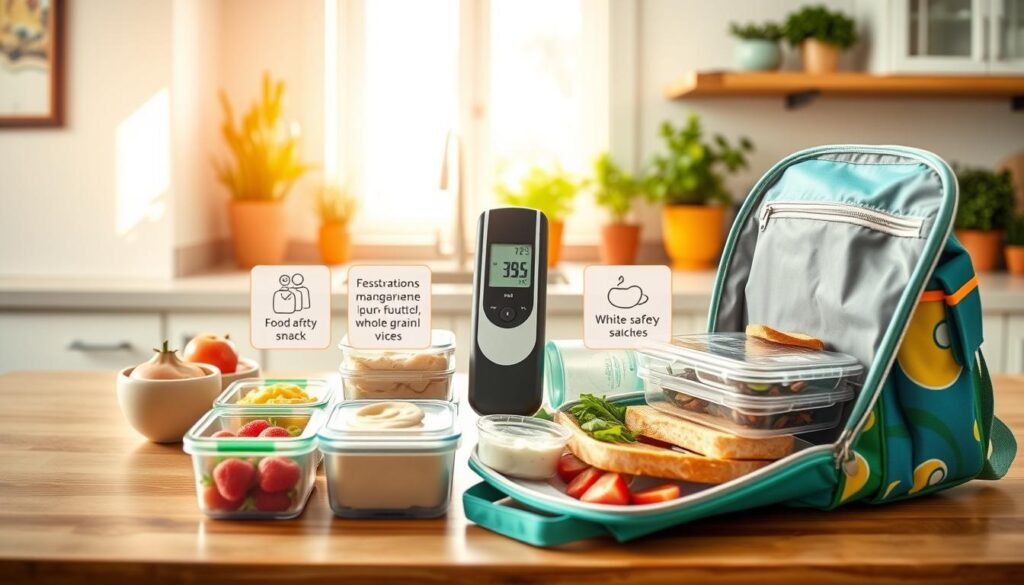
Using Insulated Bags and Ice Packs
The key to keeping your packed lunches fresh is a cold environment. Invest in a good insulated bag to keep things cool. This is key if you don’t have a fridge at work.
Always use ice packs in your lunch containers to keep things cold. I put ice packs on the bottom and top of my meal. This keeps everything crisp and safe to eat.
Safe Storage Times for Prepared Ingredients
Knowing how long ingredients last is important to avoid spoilage. Some items like raw veggies last for days, but cooked proteins and dairy need more care. I try to eat my prepped meals in three to four days for the best taste.
For perishable items like seafood or creamy dressings, eat them within 24 hours. Use airtight lunch containers to prevent contamination and keep moisture in. Here’s a guide to help you plan your meal prep.
| Ingredient Category | Max Fridge Time | Temperature Tip |
|---|---|---|
| Cooked Proteins | 3-4 Days | Keep below 40°F |
| Fresh Vegetables | 4-5 Days | Store in airtight bins |
| Dressings/Sauces | 5-7 Days | Keep in separate jars |
| Grains/Pasta | 3-4 Days | Cool before packing |
Troubleshooting Common Lunch Packing Challenges
Even the most organized schedules can hit snags when packing meals. When things get chaotic, your routine often takes a hit. But, by spotting common problems, you can keep your meal planning goals on track without stress.
Dealing with Time Constraints During the Week
When time is tight, use efficient shortcuts to keep healthy habits alive. I keep pre-cooked grains and canned beans on hand for quick easy lunches to pack. These basics help even when you forget to prep on Sunday.
Don’t forget about food safety when you’re in a hurry. Always have insulated bags and ice packs by the door for a quick grab-and-go. Remember, being consistent is more important than being perfect when you’re busy.
“Simplicity is the ultimate sophistication.”
How to Keep Variety Without Extra Effort
Many people get bored with the same healthy lunch ideas all week. You don’t need to cook new meals to mix things up. Just change the flavor with fresh herbs, hot sauce, or a squeeze of citrus.
Here’s how I keep my lunchbox ideas fresh:
- Switch up your dressings for a whole new grain bowl.
- Try different spice blends, like za’atar or chili powder, on your proteins.
- Add crunchy seeds or nuts for a new texture.
Keep your base ingredients simple to experiment every day. This way, your meal planning stays fun and your food safety standards stay high. With these tweaks, your lunchbox ideas will stay exciting.
Conclusion
Changing your daily eating habits starts with a simple change in your kitchen time. Spend just a few hours each weekend on meal prep. This way, you control your nutrition and save money. Check out budget meal prep ideas for college to see how small investments add up.
Quick lunch recipes keep your schedule free and your energy up. Building balanced grain bowls offers endless variety without daily cooking stress. Try different textures and flavors to keep your meals exciting all week.
Don’t forget the power of homemade dressings to make simple ingredients shine. They turn basic meals into high-quality ones at a low cost. Always keep food safe by using the right containers and keeping cold items chilled until you eat.
Consistency is key to success. Begin with a few trusted dishes and grow your collection as you become more confident. Your future self will thank you for the time saved and the healthy meals ready in the fridge.
FAQ
Why should I focus on non-sandwich healthy lunch ideas for my workday?
Using only sandwiches can make lunchtime boring. By trying new things, I stay energized and eat better. I pack lunches with grains and proteins to stay focused and satisfied.
What are the essential tools I use for successful meal planning?
I use Glasslock tempered glass sets and Bentgo Modern bento boxes for my food. A YETI Daytrip bag keeps my food cold and safe. These tools help me stay organized and healthy.
How do I balance macros to create high energy lunches?
I mix carbs, proteins, and fats in my lunches. I use quinoa for carbs, chicken breast for protein, and avocado for fats. This mix gives me energy without a crash later.
What is the most efficient way to prepare grains like quinoa and brown rice?
I cook grains in bulk on weekends. Using Lundberg Family Farms, I make big batches of rice or quinoa. Then, I store them in Pyrex containers for quick meals during the week.
Can I prepare proteins without using processed deli meat?
Yes, I cook proteins at home. Roasting chicken breasts is my favorite method. I also have hard-boiled eggs and chickpeas for quick protein boosts.
How do I prevent my salads from becoming wilted and unappealing?
I layer my salads carefully. I put denser veggies at the bottom and greens on top. I also store dressings separately to keep everything fresh.
What are some quick lunch recipes for flavorful cold bowls?
I love making Mediterranean grain bowls and Southwest black bean salads. They’re easy to make and full of flavor. A simple vinaigrette brings everything together.
Which snacks and sides travel best in a daily lunchbox?
I choose durable fruits like apples or clementines. Adding raw almonds or pumpkin seeds gives extra crunch. These snacks keep me full until dinner.
How do I manage food safety when I don’t have access to a refrigerator?
I use ice packs in my insulated bags to keep food safe. I also follow safe storage times for my ingredients. This way, I can enjoy my lunches safely, even when I’m busy.
How can I maintain variety in my meals without spending hours in the kitchen?
I change up sauces and seasonings to keep things interesting. For example, a simple switch in dressing can make a big difference. This trick saves time and keeps my meals exciting.