My workday often feels like a never-ending list of tasks and stress. Taking a true break is essential, not just a luxury. It’s a chance to refocus and recharge. When I choose good lunch meals, my afternoon becomes more energized and focused.
Discovering easy lunch recipes has made packing lunch a breeze. Whether I’m in the mood for something light or filling, trying new healthy lunch ideas keeps me on track with my health goals. I also focus on food storage tips to keep my meals fresh and tasty.
Key Takeaways
- View your midday break as a necessary reset to boost productivity.
- Prioritize simple, nutritious recipes to maintain consistent energy levels.
- Use high-quality containers to keep your food fresh until you are ready to eat.
- Plan your weekly menu in advance to reduce daily decision fatigue.
- Experiment with diverse flavors to keep your midday routine exciting.
The Science of Sustained Energy Through Midday Meals
Beating the afternoon slump starts with what I eat for lunch. Seeing food as fuel helps me make better choices. This way, I can boost my workday performance.
Understanding the Blood Sugar Rollercoaster
Eating refined carbs or sugary snacks makes my blood sugar spike. This gives me a quick energy boost, but then I crash. This is why I often feel tired and grumpy after eating.
To avoid this, I choose foods that digest slowly. Keeping my blood sugar steady helps me stay focused. Learn more about meal timing and its effects on energy and.
Why My Lunch Choices Dictate My Afternoon Productivity
The Harvard T.H. Chan School of Public Health says my midday meals affect my brain. Eating protein, veggies, whole grains, and healthy fats keeps my brain fueled. This mix is key for staying productive in the afternoon.
Skipping these foods makes me lose focus. Making smart choices at lunch keeps me sharp all day. Here’s how different foods affect my energy and focus.
| Meal Component | Impact on Energy | Resulting Focus |
|---|---|---|
| Refined Carbs | Rapid Spike & Crash | Low |
| Balanced Macros | Steady Release | High |
| High Sugar | Immediate Fatigue | Very Low |
| Healthy Fats/Fiber | Long-term Satiety | Excellent |
Essential Components of Good Lunch Meals
Making good lunch meals is more than just about taste. It’s about giving my body the fuel it needs for the day ahead. The right mix of nutrients keeps me going strong and sharp.
Choosing high-quality foods helps me dodge the mid-afternoon slump. This slump can really slow down my work.
The Role of Complex Carbohydrates in Long-Term Fuel
Complex carbs are key for sustained energy all day. They’re different from simple sugars that give a quick energy boost but then crash. Complex carbs give energy slowly, keeping me powered up without the crash.
Prioritizing Lean Proteins for Mental Clarity
To stay productive in the afternoon, I always add lean protein to my meals. Proteins help make neurotransmitters that keep my brain sharp. This makes it easier to tackle tough tasks after my break.
Incorporating Healthy Fats to Prevent Brain Fog
Healthy fats are also important to avoid mental fatigue. They support brain health and keep me full until dinner. Combining these three helps me perform better overall.
| Macronutrient | Primary Benefit | Example Source |
|---|---|---|
| Complex Carbs | Steady Energy | Quinoa |
| Lean Protein | Mental Focus | Grilled Chicken |
| Healthy Fats | Brain Health | Avocado |
Step One: Planning Your Weekly Lunch Menu
Planning my lunches in advance is key to a stress-free week. By doing lunch menu planning, I avoid making bad food choices when I’m busy. This way, I always have a balanced lunch to keep me going in the afternoon.
Assessing My Schedule to Determine Meal Complexity
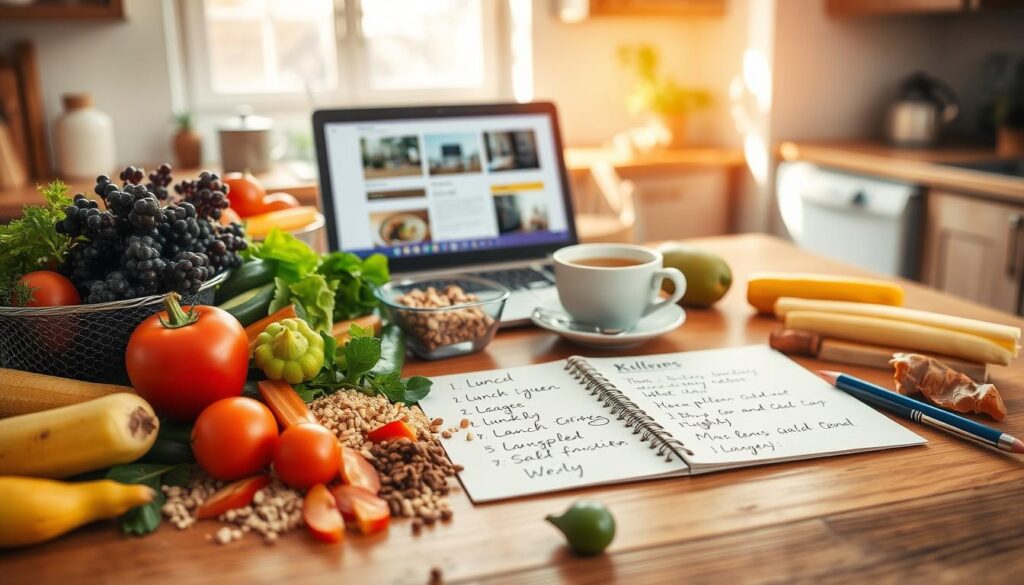
Before I shop for groceries, I check my schedule. If I’m busy, I choose simple, quick meals. But on slower days, I make more complex healthy lunch ideas to enjoy in the kitchen.
“Failing to plan is planning to fail.”
Creating a Balanced Grocery List for Efficiency
To stay organized, I use a system to create a weekly meal plan. I group ingredients by category for better shopping. This way, I never forget what I need for a balanced lunch, saving time and money.
Strategies for Rotating Flavors to Avoid Boredom
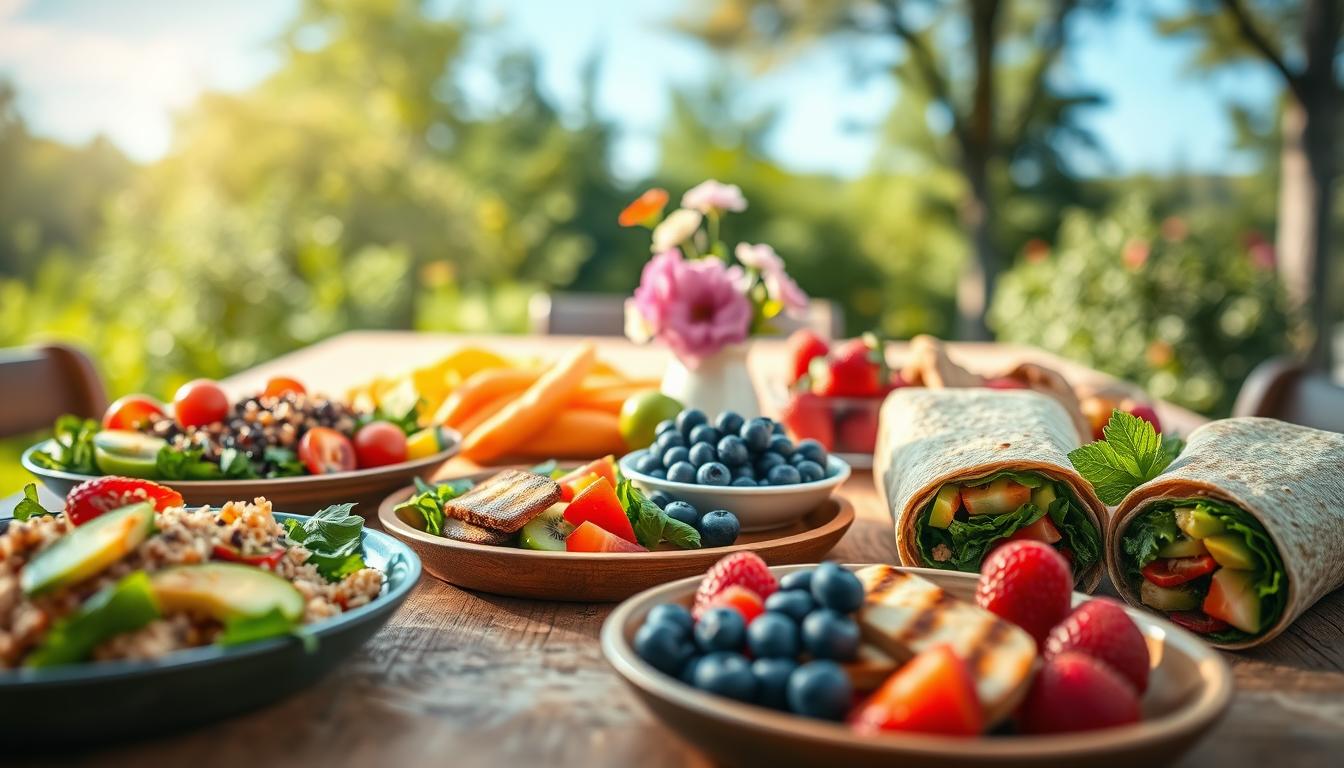
It’s easy to get bored with the same meals every day. So, I mix things up with different sauces, spices, and textures. For example, I use healthy lunch wraps with various fillings to keep my meals interesting all week.
- Use seasonal produce to keep flavors vibrant.
- Keep a stash of diverse condiments for quick flavor boosts.
- Rotate between hot and cold healthy lunch ideas to suit the weather.
Step Two: Mastering Efficient Meal Prep Techniques
Learning meal prep techniques helps me save time during a busy week. By planning my lunch menu ahead, I avoid making bad food choices. This way, I stay focused and energized in the afternoons.
“Preparation is the key to success in every endeavor, including a healthy lifestyle.”
Batch Cooking Grains and Proteins on Sundays
Every Sunday, I cook grains like quinoa and proteins like chicken in bulk. This makes it easy to make a healthy grain bowl lunch quickly. For beginners, here are some easy meal prep to start with.
Utilizing Raw Vegetable Prep for Quick Assembly
I wash and chop veggies right after shopping. Kale, for example, stays fresh for up to four days. Having these veggies ready makes it simple to make a quick lunch.
The Art of Mason Jar Salads and Layering
Layering ingredients in mason jars keeps my lunches fresh. I put dressing at the bottom, then grains, proteins, and greens on top. This way, my salad stays crisp and tasty all week.
Step Three: Balancing Macronutrients for Steady Focus
I’ve learned that the key to staying focused in the afternoon is in my midday meals. A balanced lunch is more than just counting calories. It’s about giving my body the right fuel for clear thinking. This way, I can dodge the usual afternoon slump that kills my productivity.
Calculating Ideal Ratios for My Personal Energy Needs
I begin by figuring out my unique energy needs based on my daily activities. I aim for a mix of macronutrients that keeps me energized until dinner. By planning my lunch menu carefully, I can keep these ratios consistent all week.
Combining Fiber and Protein to Slow Digestion
I pair high-fiber veggies with lean proteins to keep my blood sugar stable. This combo slows digestion, giving me a steady energy flow instead of a quick spike. I use meal prep techniques to make sure these ingredients are ready when I need them.
Adjusting Portions Based on Physical Activity Levels
My body needs more fuel on active days and less on quiet ones. When I’m active, I eat more to help with recovery. On office days, I eat less to avoid feeling tired. These easy lunch recipes are flexible, so I can adjust my portions without losing nutritional value.
Step Four: Selecting Energizing Ingredients and Superfoods
Choosing nutrient-dense ingredients helps avoid the 3 PM slump. I pick foods that taste great and give lasting energy. This way, I make easy lunch recipes that keep me focused all day.
Leafy Greens and Cruciferous Vegetables for Micronutrients
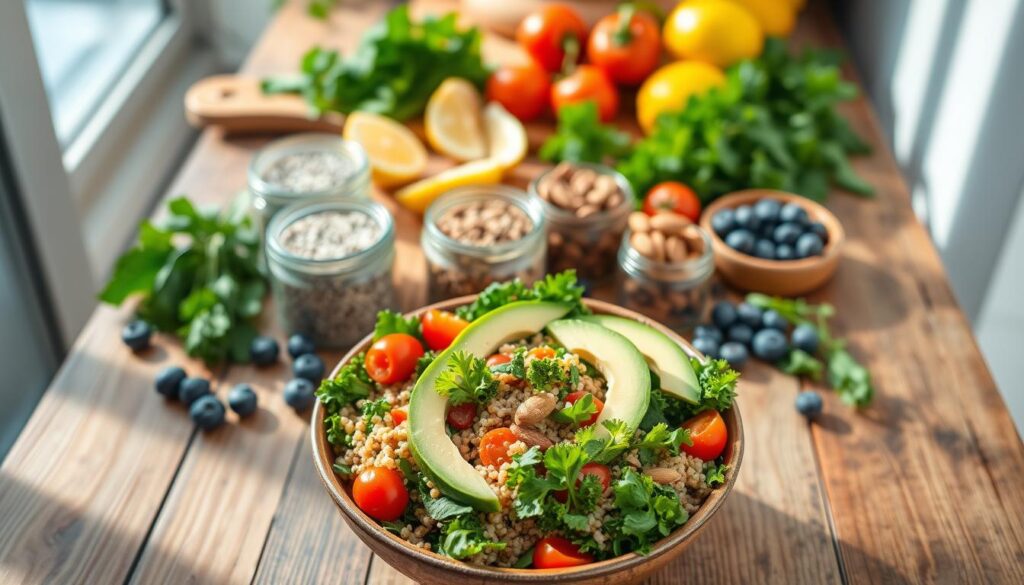
I love dark, leafy greens like kale and spinach for their vitamins. Cruciferous veggies like broccoli add crunch and fiber. They’re perfect for a filling grain bowl lunch.
For texture, I use French green or black lentils. They stay firm and add bulk to healthy lunch wraps or salads.
Choosing Low-Glycemic Fruits for Natural Sweetness
I add natural sweetness to my lunch with berries. Blueberries and raspberries are low in sugar. They boost my health and keep my mind clear.
Adding Seeds and Nuts for Sustained Satiety
Healthy fats keep me full until dinner. I sprinkle chia seeds, flaxseeds, or walnuts on my meals. They give me energy and stop hunger pangs.
| Ingredient Category | Primary Benefit | Best Use Case |
|---|---|---|
| Leafy Greens | High Micronutrients | Salad Bases |
| Black Lentils | Steady Texture | Grain Bowls |
| Walnuts | Sustained Satiety | Toppings |
| Blueberries | Low-Glycemic Sweetness | Side Snacks |
Step Five: Avoiding the Afternoon Slump with Smart Portions
Even the best meal can make me feel tired if I eat too much. I focus on quality ingredients but also on managing food quantity. Eating too much diverts energy to digestion, causing that afternoon tiredness.
Recognizing the Signs of Overeating at Lunch
I listen to my body to keep my midday meals energizing. Feeling heavy or sleepy after eating means I ate too much. Heeding these signs helps me adjust my food for the next day, staying alert in the afternoon.
The Importance of Mindful Eating During My Break
I try to avoid screens during lunch. Eating mindfully lets me enjoy my balanced lunch more. It helps me stop eating when I’m full, avoiding overeating while distracted.
Hydration Strategies to Complement My Lunch
Drinking enough water is key to staying alert. I drink a lot of water with my office-friendly dishes to help digestion. I avoid sugary drinks that can make me crash later. Drinking water all day keeps me focused until the day ends.
Step Six: Storing and Packing Your Meals for Freshness
Learning how to store food is key to keeping my office-friendly dishes fresh. It’s the last step in my meal prep techniques. By packing my midday meals right, every bite stays delicious.
Selecting the Right Containers for Temperature Control
The type of container I use is very important. I choose glass because it doesn’t stain or smell like plastic. These food storage tips help keep my food’s flavor for days.
Glass is great for keeping food at the right temperature. It’s a big help in my kitchen. It keeps my food fresh and stops leaks in my bag.
Keeping Dressings and Sauces Separate Until Serving
It’s important to keep liquids separate from solids. For a grain bowl lunch, I store the dressing in a small container. This keeps the grains and veggies crunchy.
Adding the sauce just before eating keeps everything perfect. This way, my meal stays fresh, even if I made it days ago. It’s a small step for a much better meal.
Safe Food Handling Practices for Office Environments
Keeping food safe is part of mindful eating at work. I store my meals in the fridge as soon as I get to the office. This keeps my lunch fresh and safe.
I also label my containers if I share the fridge. Good hygiene when handling food keeps the kitchen clean. These habits make my lunch break healthy and stress-free.
Conclusion
Building a sustainable lunch habit changes my workday. I focus on nutrient-dense ingredients to stay sharp until five.
Start small by trying a few office-friendly dishes this week. New recipes keep me excited and my energy stable.
Mindful eating during breaks recharges my brain. I listen to my hunger cues, not rush through meals at my desk.
Proper food storage tips are key. Using quality containers from brands like Pyrex or Rubbermaid keeps my food fresh.
Consistency is key. Take control of your nutrition today for better focus and health in the long run.
FAQ
How can I choose good lunch meals that prevent a mid-afternoon energy crash?
I follow the Harvard T.H. Chan School of Public Health’s nutritional framework. It suggests eating lean proteins, whole grains, and healthy fats. I choose complex carbs over refined sugars to keep my blood sugar steady.
This approach helps me avoid the afternoon slump. It also keeps my energy levels high throughout the day.
What are my most effective meal prep techniques for a busy work week?
Every Sunday, I batch cook essential items. I make large amounts of quinoa, black lentils, or brown rice. These become the base for my grain bowl lunches.
I also prep raw vegetables like kale. It stays fresh for days. This makes it easy to make healthy lunch wraps in just a few minutes each morning.
Why do I prefer using glass containers for my office-friendly dishes?
I use Pyrex or Glasslock containers for safe food handling. Glass doesn’t retain odors or leach chemicals. This ensures my food tastes as intended.
I keep dressings in Mason jars until I’m ready to eat. This keeps my vegetables crisp and prevents sogginess.
Which energizing ingredients should I include to fight brain fog and maintain focus?
I add superfoods like seeds, nuts, and low-glycemic fruits to my meals. They provide a slow release of energy. French green lentils are also a key ingredient for me.
They offer essential nutrients and fiber. This helps slow digestion and improves mental clarity. These ingredients keep me focused until the end of my shift.
How does mindful eating and hydration impact my workday?
I view my lunch as a time to reset, not just eat. Mindful eating helps me recognize when I’m full. This prevents me from feeling lethargic from eating too much.
Drinking enough water is also important. I carry a Hydro Flask to stay hydrated. Even mild dehydration can make me feel hungry and less focused.