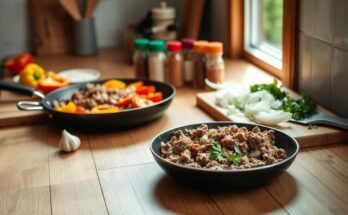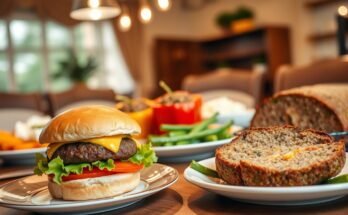
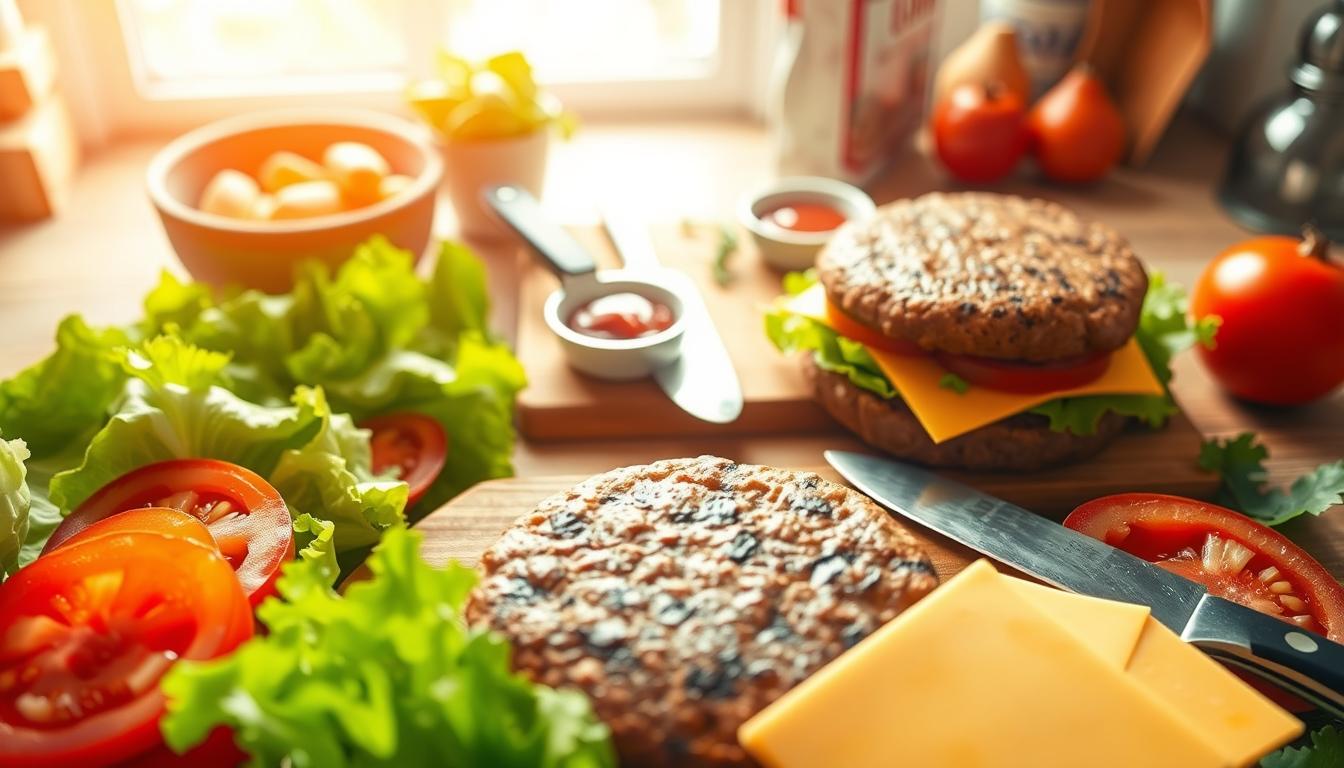
There’s something magical about the smell of a sizzling patty in your kitchen. My first try was messy, but making a meal from scratch changed my life. You might think making a perfect meal needs pro skills, but mastering the grill is easy for anyone.
Making a great homemade meal is simple, but there are key steps to follow. I teach specific techniques for top-notch results every time. If you want to impress your family with how to make burgers, you’re in the right spot. This easy burger guide is for all cooks looking to boost their skills with confidence.
Key Takeaways
- Focus on high-quality ground beef with 80% to 85% lean content for the best flavor.
- Handle the meat as little as possible to ensure your patties stay tender and juicy.
- Always create a small dimple in the center of each patty to prevent them from bulging while cooking.
- Use a heavy skillet or griddle over medium-high heat to achieve a perfect, flavorful crust.
- Toast your buns in butter to add an extra layer of texture and richness to your final creation.
Mastering the Fundamentals of Quality Burger Meat
The secret to a memorable homemade burger is in the meat quality. Focus on the meat to make your dish a restaurant style burger at home.
Selecting the Right Beef Blend
Choose the best ground beef you can find, ideally from a local butcher. Freshly ground meat has a better texture than supermarket options.
Opt for a blend with chuck for the best flavor and tenderness. High-quality cuts make your burger savory and satisfying.
Understanding Fat Ratios for Juiciness
The key to a juicy burger patty is the lean-to-fat ratio. Stick to the 80/20 rule: 80 percent lean meat and 20 percent fat.
This ratio is key because the fat melts during cooking. It keeps the meat moist and prevents drying out.
Proper Handling and Storage Techniques
Handle the meat gently to keep its quality. Overworking can make the meat dense and tough.
Store the meat in the fridge until you’re ready to shape patties. Cold meat is easier to shape and keeps the fat solid until cooking.
Essential Tools for the Home Burger Chef
Mastering the burger art needs more than just good meat. You need the right tools in your kitchen. The right equipment changes the game for home cooks aiming to improve their dishes. It gives you control over cooking and ensures quality every time.
Choosing the Right Griddle or Grill
For a perfect sear, use a heavy-duty cast iron skillet or a flat-top griddle. These surfaces keep heat well, which is key for a delicious crust on your patty. If you like smoky flavor, make sure your grates are clean and oiled to avoid sticking.
One top burger cooking tip is to preheat your surface until it’s smoking hot. This helps the meat caramelize right away. Whether using a grill or pan, keeping it consistent is the secret to success.
Precision Tools for Patty Shaping
Even cooking needs uniform patties, and precision tools help you get them. I often use a burger press for patties of the same thickness and size. If you don’t have a press, stack patties on parchment paper to keep them in shape before cooking.
Using parchment paper also stops the meat from sticking to your hands or counter. This simple trick keeps your workspace clean and your patties perfect. Precision in prep leads to a better final product.
Temperature Control and Thermometer Usage
Don’t guess when your meat is ready. Always use an instant-read thermometer to check the internal temperature for burgers. The USDA says burgers should be at 160°F to be safe to eat.
Check the center of the thickest part of the patty to avoid undercooked meat. Following these burger cooking tips ensures safe, juicy, and tasty meals for your loved ones.
| Tool | Primary Purpose | Key Benefit |
|---|---|---|
| Cast Iron Skillet | Searing | Superior heat retention |
| Instant-Read Thermometer | Safety | Ensures 160°F target |
| Burger Press | Shaping | Uniform patty size |
| Parchment Paper | Prep | Prevents sticking |
Step-by-Step Guide to Preparing the Perfect Patty
Making a restaurant style burger at home begins with how you handle the meat. Learning how to make burgers that look and taste like they’re from a restaurant is rewarding. It makes your backyard cookouts special. By following a few simple rules, you can make sure your burgers turn out great every time.
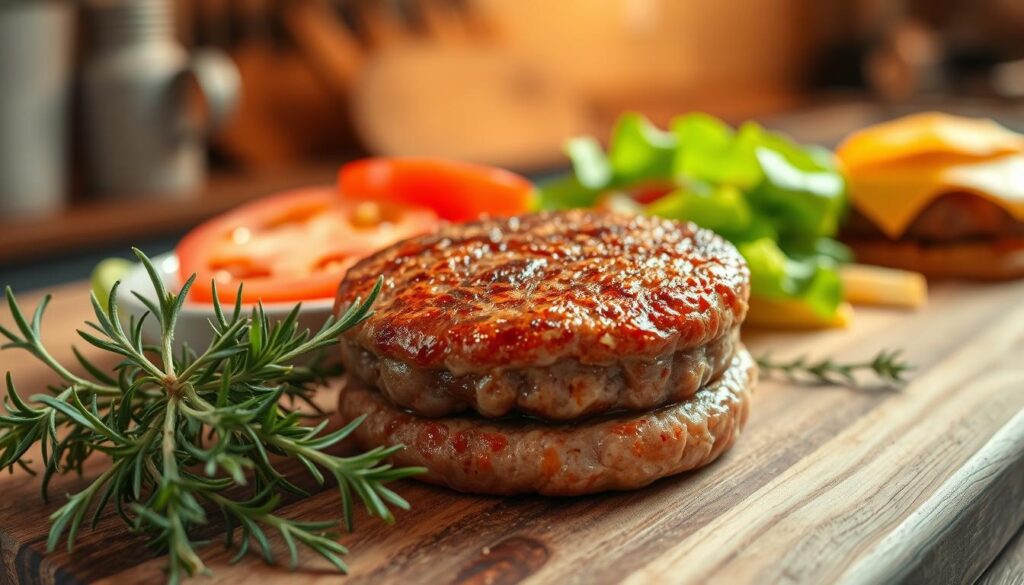
Portioning and Shaping Techniques
To get a perfect burger patty, start with the right size. Use a kitchen scale to weigh the meat. Aim for six to eight ounces per patty. This makes sure all burgers cook evenly.
When shaping the meat, handle it as little as possible. Too much handling can make the burger tough. Gently shape it into a round, keeping the edges smooth to prevent drying out.
Creating the Ideal Dimple for Even Cooking
A common mistake is a burger that domes in the middle. As it cooks, the meat contracts, puffing up. This makes it hard to stack toppings and cooks unevenly.
The fix is simple: press a shallow dimple into the patty’s center with your thumb. This crucial indentation lets the burger expand and flatten as it cooks. By the time it’s done, it will be perfectly flat and ready for toppings.
Seasoning Strategies for Maximum Flavor
Seasoning your burger right before cooking is key. I always add salt just before cooking. Salt too early and it can make the meat dry.
For bold flavors, try different spices. A simple mix of kosher salt and black pepper is often enough. Always season both sides to make sure every bite is flavorful.
Exploring Diverse Burger Dishes Recipes
Going beyond the usual patty opens up a world of tasty options. Mastering the basics is just the start. It’s about making burger dishes recipes that wow your guests.
Classic American Cheeseburger Variations
The cheeseburger is a classic for a reason. But, small changes can make it even better. Try using thick-sliced sharp cheddar for a creamy, bold contrast.
Adding crisp dill pickles and thin red onions adds crunch and a tangy taste. These simple steps turn a basic meal into a gourmet delight at home.
“A great burger is a symphony of textures and flavors, where every ingredient plays a vital role in the final performance.”
Gourmet Stuffed Burger Concepts
For gourmet burger ideas, stuffing your patties is a great idea. This way, every bite is full of flavor.
Try adding blue cheese, caramelized onions, or sautéed mushrooms to the center. This creates a surprising burst of richness that will keep your guests coming back.
Plant-Based and Alternative Protein Options
Many are searching for a tasty plant-based burger. Modern ingredients like pea protein or black bean blends offer a meaty texture. They’re surprisingly close to real beef.
If you prefer other proteins, ground turkey or bison are leaner options with unique tastes. Season these well, as they often need a bold spice rub or savory glaze to shine.
The Art of Bun Selection and Toasting
When I make a burger, the bun is as key as the beef. A good burger bun selection keeps every bite balanced and tasty. Without the right bread, even the tastiest patty can lose its charm.
Matching Buns to Patty Types
Different patties need different breads to stay intact. For a juicy beef patty, a brioche bun is best because it holds up to juices well. For lighter patties like turkey or veggie, a potato bun is better. It’s soft and doesn’t overpower the flavors.
Here’s a guide to pick the perfect bun for your burger:
| Bun Type | Best For | Texture |
|---|---|---|
| Brioche | Classic Beef | Rich and Buttery |
| Potato | Veggie Patties | Soft and Airy |
| Sesame Seed | Gourmet Blends | Firm and Nutty |
| Ciabatta | Thick Patties | Chewy and Crusty |
Techniques for Achieving the Perfect Toast
Toasting is essential in my kitchen. I toast the bun halves cut-side down in butter or oil. This makes a golden-brown crust that adds crunch to each bite.
Toasting also helps the bun stay dry. The toasted side keeps the bread from getting soggy from the patty. Never skip this step to keep your burger together.
Preventing Soggy Buns with Proper Assembly
No one likes a burger that falls apart. To avoid this, I put a thin layer of mayonnaise or mustard on the toasted bun. This keeps the juices from soaking into the bread.
Also, let your patty rest for a minute before putting it on the bun. This helps the juices stay inside the meat. By doing this, your burger stays together from start to finish.
Elevating Your Burgers with Toppings and Condiments
To make your burger better, think about textures, sauces, and cheeses. Adding the right burger toppings turns a simple sandwich into a gourmet treat. For a big group, try a build your own burger board for everyone to make their own.
Balancing Textures with Fresh Produce
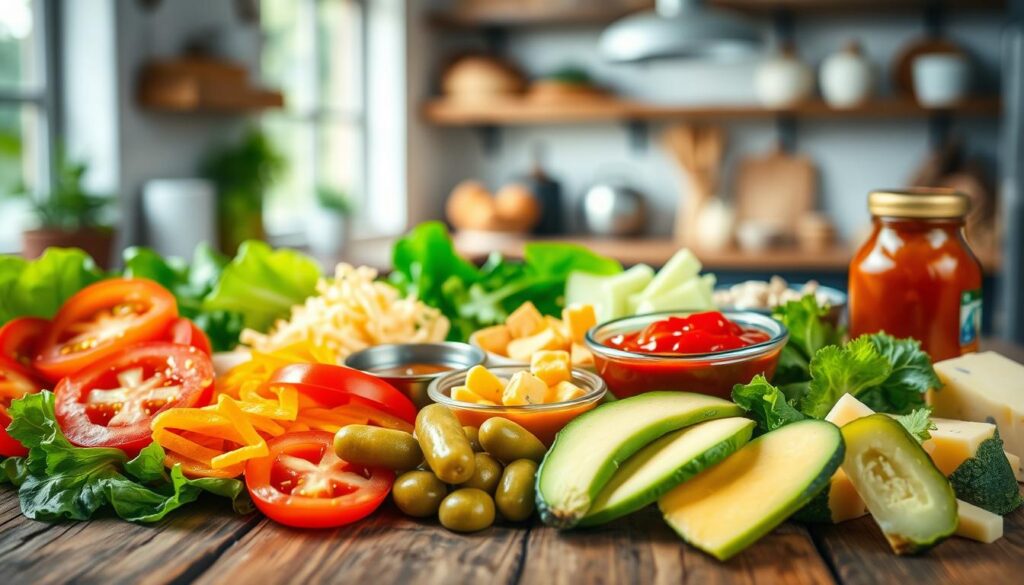
The secret to a great burger is mixing hot meat with cool, crisp veggies. Use fresh, quality veggies for a nice crunch. Here are some must-haves for your next burger:
- Iceberg lettuce for a refreshing crunch.
- Red onion for a sharp bite.
- Heirloom tomatoes for sweetness and acidity.
- Pickles for a tangy finish.
Crafting Homemade Signature Sauces
A homemade burger sauce ties your flavors together. Making your own lets you control the taste. Try a classic fry sauce or a bold BBQ aioli for a smoky flavor. For something sharp, mustard aioli is perfect with aged cheeses.
Selecting Cheeses That Melt Beautifully
Choosing the right cheese is key for that gooey texture. Pick cheeses with high moisture for even melting. American cheese is great, but you can also try mild cheddar or gruyere for different tastes.
Proper burger assembly keeps your burger together. Put sauce on both buns to keep them dry. For more kitchen tips, check out one-pot meals for easy cleanup.
Layering your ingredients right makes every bite perfect. Keep crisp veggies away from the hot patty. With these tips, your burgers will wow everyone.
Cooking Methods for Different Kitchen Setups
Whether you cook on the kitchen stove or grill outside, your technique matters. Knowing your equipment is key. Adjusting your heat source helps you get professional results at home.
Achieving the Perfect Sear on a Cast Iron Skillet
Many restaurants use a heavy pan for a deep crust on their burgers. For a cast iron skillet burger, preheat the pan over medium-high heat until it smokes. This heat locks in juices and creates a golden-brown crust.
To get a great sear, don’t overcrowd the pan. This lets moisture evaporate quickly, not steam the meat. Use a high-smoke point oil like avocado or grapeseed to avoid burning.
Mastering Direct and Indirect Heat on a Charcoal Grill
Grilling burgers outdoors means managing your fire well. I set up a two-zone grill to control cooking. One side is for high heat to sear, and the other is for gentle cooking.
- Direct Heat: Sear the patty for about two minutes per side here.
- Indirect Heat: Move patties to the cooler side to cook without burning.
- Lid Control: Close the lid to keep the temperature steady and trap smoky flavor.
Safety Tips for Handling High-Heat Cooking
High-heat cooking needs caution and precision. Always have a meat thermometer ready to check the internal temperature for burgers. For medium-well, aim for 160°F.
Keep a spray bottle of water for flare-ups from fat. Never leave your grill or skillet alone, as high heat can get out of control fast. Stay focused and use the right tools for a safe, perfect meal.
Troubleshooting Common Burger Making Mistakes
Making the perfect burger patty takes practice. But knowing how to fix common mistakes makes it easier. Even skilled cooks face unexpected challenges in the kitchen. Learning effective burger troubleshooting techniques can save your meal and impress your guests every time.
Preventing Dry or Overcooked Patties
A dry burger often comes from cooking the meat too long or using too lean a blend. Always use a meat thermometer to ensure your homemade burger is cooked to a safe temperature. Pulling the meat off the heat a few degrees early helps keep the juices inside.
Fixing Crumbly or Falling-Apart Burgers
It’s frustrating when a patty breaks while flipping. If your burger falls apart, don’t panic. Just press the edges back together with your spatula and keep cooking. This usually seals the meat back together as it firms up under the heat. Keeping your meat cold until cooking helps keep it together.
Managing Flare-ups and Smoke Control
Flare-ups happen when fat drips onto the heat source, causing sudden flames. Keep a spray bottle of water nearby to control the fire without cooling your grill too much. Also, have a “cool zone” on your grill for patties when flames get too intense. Proper burger troubleshooting means staying alert and keeping your workspace clean to avoid excess smoke.
| Common Issue | Primary Cause | Quick Solution |
|---|---|---|
| Dry Texture | Overcooking | Use a meat thermometer |
| Crumbly Patty | Warm meat/low fat | Press edges together |
| Flare-ups | Dripping fat | Move to cool zone |
Conclusion
Learning to make a great burger is a fun journey. It mixes simple ingredients with special techniques. Try these scrum-delicious burgers to see how they turn basic items into a fancy meal. They are truly more than the sum of their parts.
Adding minced fresh onion to your meat adds a lot of flavor. Also, mix your toppings together and melt them on the patty. This trick makes every bite amazing.
My easy burger guide gives you the confidence to try new flavors. Now, you have the skills to create your own special burger at home. It’s time to fire up the grill and make your next masterpiece.
FAQ
Why is the 80/20 lean-to-fat ratio so important for a juicy burger patty?
The 80/20 ratio is key because fat adds flavor and moisture. Too lean meat can make burgers dry and crumbly. Using 80/20 meat from places like Whole Foods ensures juicy burgers, even after searing.
What is the purpose of the “dimple trick” when shaping my patties?
The dimple trick stops burgers from puffing up in the middle. By making a small dent, the patty cooks evenly. This makes it easier to add toppings like Tillamook cheddar.
How do I ensure my homemade burger is cooked safely without ruining the texture?
I use a ThermoPro thermometer to check the meat’s temperature. I aim for 160°F to follow USDA safety standards. This method ensures my burgers are safe and perfectly cooked.
Which buns are best for my burger, and should I always toast them?
Toasting buns is essential to prevent them from getting soggy. I prefer brioche or Martin’s Potato Rolls. Toasting them with Kerrygold butter adds flavor that complements the burger.
When is the best time to season the meat for maximum impact?
Season the meat just before cooking. Seasoning too early can make the meat rubbery. I season the patties with kosher salt and black pepper right before cooking.
Can I achieve a professional crust if I am cooking indoors instead of on a grill?
Yes, you can make a great crust indoors. A cast iron skillet is perfect for this. Preheat the pan well to get that perfect crust.
What should I do if my patty starts to fall apart while I am flipping it?
If a patty breaks, don’t worry. Press the pieces together with your spatula. The fats and proteins will help hold it together. Keep the meat cold and use parchment paper to prevent this.
How can I create a signature homemade burger sauce to elevate my meal?
Mix a simple fry sauce or tangy BBQ aioli with Hellmann’s mayonnaise. Apply it to the bottom bun for a moisture barrier and acidity. This enhances the burger’s flavor.