I remember my first try at cooking a healthy dinner for my family. I wanted to make something good for them, but it ended up being dry and tasteless. This taught me that cooking with intention is key to making simple ingredients special.
Over time, I’ve learned to make lean hamburger meat recipes that are tasty and healthy. I choose the best ingredients and use the right techniques. This way, my healthy beef recipes are always a hit. Whether you’re trying different ground beef recipes or figuring out which spices work best, the goal is to make your cooking better.
You don’t have to be a pro to make amazing meals at home. Just a few tweaks to how you brown and season can make a big difference. Let me show you how to make a delicious, healthy meal that everyone will enjoy.
Key Takeaways
- Focus on high-quality ingredients to build a strong flavor foundation.
- Use proper browning techniques to develop a rich, savory crust.
- Incorporate acidity like lemon or vinegar to balance leaner cuts.
- Layer your spices throughout the cooking process for maximum impact.
- Avoid over-salting by using umami-rich boosters like Worcestershire sauce.
Understanding the Challenges of Lean Ground Beef
Many home cooks face challenges with lean beef. They treat it like fatty, store-bought meat. Switching to grass-fed ground beef changes cooking. If you’re used to 75-25 ground beef, lean cuts need more care.
Why Lean Meat Tends to Dry Out
Lean meat dries out fast because it lacks fat. Fat helps keep juices in during cooking. Without it, cooking lean meat can make it tough or crumbly.
Even a little extra heat can make proteins contract too much. This squeezes out moisture, leaving meat dry. Temperature management is key with leaner meats.
The Importance of Fat Content in Flavor
Fat carries flavor in any dish. Farm-to-table beef is often leaner than usual. This makes it taste cleaner, with a mineral-forward taste.
With less fat, you need to season and prepare more carefully. Cooking grass-fed beef means highlighting its natural taste. This way, you can make lean meat taste gourmet.
Selecting the Right Lean Hamburger Meat Recipes
When I go to the butcher, I look for high-quality beef cuts. A great meal starts with the right lean hamburger meat recipes. Without the right meat, even the best seasonings can’t save a bad patty.
Identifying Quality Lean Cuts at the Grocery Store
I search for specific cuts like the chuck flap for lean beef. These cuts have a lot of marbling, which adds flavor. Unlike others, I ask the butcher for specific grinds.
“The quality of your ingredients dictates the ceiling of your culinary potential.”
Here are some tips to get the best meat:
- Choose meat with a bright red color for freshness.
- Check for minimal liquid in the packaging.
- Ask if the meat was ground in-house for better quality.
When to Choose 90/10 Versus 95/5 Blends
The ratio on the label is key for your lean hamburger meat recipes. A 90/10 blend has 10% fat, making it more forgiving when cooking. It’s great for everyday meals where you want a balance of health and moisture.
A 95/5 blend is very lean and needs careful handling to avoid drying out. I use this blend for dishes with extra moisture, like sautéed veggies or sauces. Your choice between these high-quality beef cuts depends on your cooking method and desired result.
Essential Flavor Boosters for Lean Meat
Working with lean beef means we need to season it more carefully. It lacks the fat found in richer meats, so we use special flavor boosters for beef. This way, every bite is full of flavor and character.
Using Umami-Rich Ingredients to Compensate for Low Fat
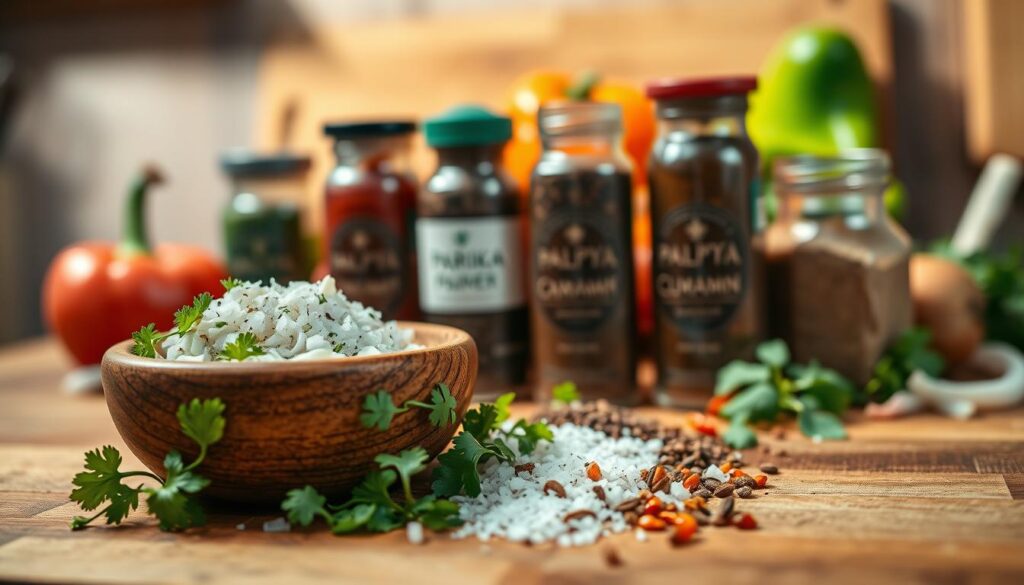
For a better natural beef flavor, I add umami-rich ingredients. A bit of Worcestershire sauce or soy sauce adds a savory taste. I also chop mushrooms finely to add moisture and a rich, earthy flavor.
Selecting the Best Dry Rubs and Spice Blends
Using a good beef seasoning guide is key to improving your dishes. I mix smoked paprika, garlic powder, and onion powder for a strong crust. Fresh herbs like rosemary or thyme add a bright, aromatic taste that complements the lean meat.
The Role of Acidic Marinades in Tenderizing
To make tender ground beef, I use acidic marinades. A little balsamic vinegar or lemon juice softens the meat before cooking. This simple step makes the meat tender and juicy.
Mastering Moisture Retention Techniques
Moisture retention techniques are key to cooking lean meat. Lean beef lacks natural fat, so you must handle it carefully. This is important from start to finish.
The Science of Resting Meat After Cooking
One big mistake is cutting into a burger right after cooking. I let my patties rest for 5 to 10 minutes before serving. This lets juices spread evenly, making every bite juicy.
“Patience is the secret ingredient that transforms a good meal into a great one, specially with lean proteins.”
Adding Liquid Components to Prevent Dryness
To make juicy burger patties, add a little liquid to the mix. A bit of Worcestershire sauce, low-sodium beef broth, or tomato paste helps. These beef moisture tips add hydration and flavor.
Remember, never smash burger patties on the grill. Pressing down pushes out moisture. Handle your meat gently to keep it tender and flavorful.
Using Binding Agents to Keep Patties Juicy
Binding agents keep burgers together. I use breadcrumbs or a beaten egg to help. These ingredients trap juices, preventing them from evaporating.
By using these methods, you can make professional-quality burgers at home. Mastering these beef moisture tips will make your lean recipes a hit.
Step-by-Step Guide to Preparing Lean Beef Patties
To get professional results with lean beef preparation, you need to follow certain steps. When working with grass-fed ground beef, it’s important to keep the meat fibers intact. This way, the meat stays tender, even with less fat.
Preparing the Meat Mixture Without Overworking
One common mistake is overmixing the meat. This makes the meat dense and rubbery. Instead, mix the seasonings gently until they’re just combined.
Keeping the mixture loose helps with even cooking. This is a key ground beef cooking tip for a better texture. Always keep your ingredients cold to prevent the fat from melting too soon.
Shaping Patties for Even Cooking
To make juicy burger patties, shape them evenly. Make them slightly wider than your buns, as they will shrink. A small dent in the center helps them cook evenly.
When making many patties, consistency is key. If one side is thicker, it will dry out before the center is cooked. Smooth the edges to prevent cracking while searing.
Temperature Control During the Cooking Process
Controlling the heat is critical for leaner meats. Use medium-high heat for a flavorful crust. Low heat can make the meat steam instead of sear.
| Doneness Level | Internal Temp | Texture Result |
|---|---|---|
| Medium-Rare | 130°F – 135°F | Soft and tender |
| Medium | 140°F – 145°F | Balanced moisture |
| Well-Done | 160°F+ | Firm and dry |
Use a digital thermometer to check the internal temperature. Remove the meat from heat once it reaches your target. This ensures it stays juicy.
Creative Cooking Methods for Lean Ground Beef
Working with lean meat changes everything when you adjust the heat. Lean beef, lacking fat, needs a careful approach to stay tender ground beef. Adjusting heat and timing helps avoid dry, rubbery textures.
Pan-Searing for a Perfect Crust
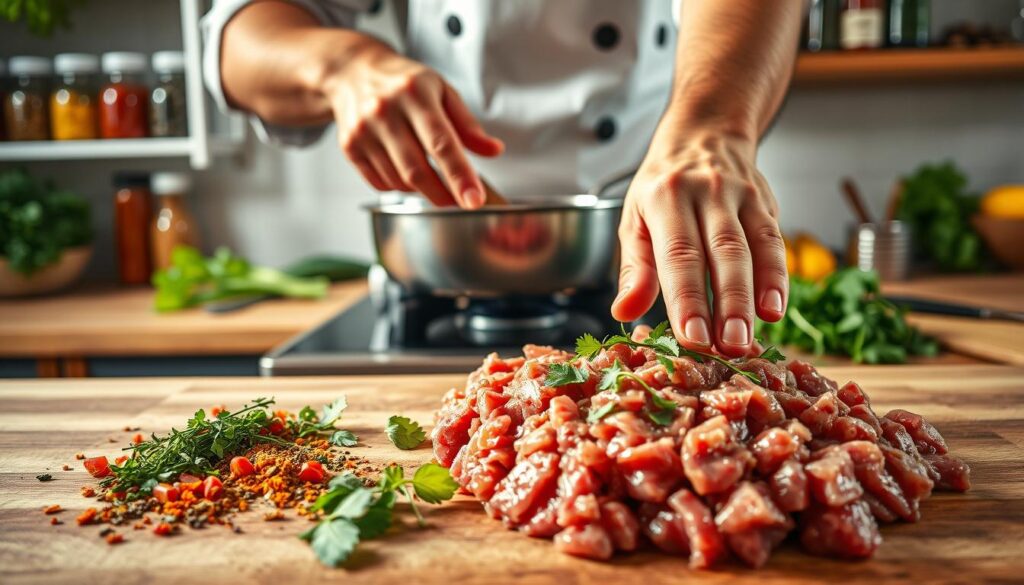
When cooking grass-fed beef, I use a heavy cast-iron skillet for a flavorful crust. It’s key to keep the heat at medium or low to prevent quick protein seizing. This gentle heat allows for a beautiful crust without drying the patty’s center.
Grilling Techniques for Leaner Cuts
Grilling is a favorite burger cooking method of mine, but it needs extra care with lean meat. I make sure the grill grates are well-oiled to prevent sticking. Closing the lid helps keep a steady temperature, reducing drying heat exposure.
Slow Cooking and Braising for Maximum Tenderness
Slow cooking is great for dishes like chili or pasta sauces, keeping meat moist. Simmering the beef in a flavorful liquid softens the fibers over time. It’s perfect for a succulent result every time.
| Method | Best For | Heat Level | Key Benefit |
|---|---|---|---|
| Pan-Searing | Classic Patties | Medium-Low | Flavorful Crust |
| Grilling | Summer Burgers | Medium | Smoky Aroma |
| Braising | Stews/Sauces | Low | Maximum Moisture |
Incorporating Vegetables and Grains for Texture
Adding simple pantry staples can change how lean meat feels. The biggest challenge with leaner cuts is keeping a good mouthfeel. By adding fresh produce and grains, you can improve the ground beef texture and make your dish more filling.
These ingredients do more than add bulk. They soak up juices during cooking, making each bite tender and satisfying. They also help make nutritious beef meals that are both filling and full of fiber.
Mixing in Finely Chopped Mushrooms and Onions
Mushrooms add a deep, savory flavor that makes lean meat taste richer. Finely chopping mushrooms and onions lets them blend well with the meat. This mix releases moisture as it cooks, keeping the beef moist.
To get the best results, sauté these vegetables before mixing them with raw meat. This makes them soft and fully incorporated. Here’s why this technique works:
- Enhanced moisture: Vegetables release water, keeping the meat juicy.
- Improved texture: The fine pieces make the meat tender and less dense.
- Added nutrition: You boost the vegetable content of your meal without losing flavor.
Adding Cooked Quinoa or Oats for Bulk and Moisture
Cooked quinoa or oats are great for stretching your ingredients. They act as binders, trapping moisture inside the patty or meatball. This prevents the meat from becoming tough or rubbery when cooked.
I like using cooked quinoa for its subtle, nutty flavor that goes well with beef. Oats are good if you prefer a softer, more traditional texture. Using these beef moisture tips helps you make nutritious beef meals that everyone will love. Try these additions to master the perfect ground beef texture at home.
Common Mistakes to Avoid When Cooking Lean Beef
Simple mistakes can make lean beef dry or tasteless. Even with the best ground beef cooking tips, small errors can ruin your dish. Knowing these common mistakes helps ensure your meals are always juicy and tasty.
Overcooking and Its Impact on Texture
Overcooking is a common mistake that makes ground beef texture tough. Lean meat, lacking fat, becomes dry and grainy if cooked too long. Keep a close eye on your heat to avoid drying out the meat.
“Cooking is an art, but it is also a science that demands patience and precision.”
Pressing Down on Patties While Grilling
Pressing down on patties with a spatula is a big mistake. It pushes juices out of the meat and onto the coals. Never press down on your patties while grilling to keep them juicy and flavorful.
Ignoring the Importance of Proper Seasoning Timing
Many home cooks don’t follow a good beef seasoning guide. They might salt too early or too late. Salting too early can dry out the meat, while waiting too long can miss the chance to enhance the natural beef flavor.
- Season your meat just before it hits the pan for the best results.
- Use a meat thermometer to avoid guessing when the beef is done.
- Allow the meat to rest briefly so the juices redistribute evenly.
Conclusion
Learning to make lean hamburger meat recipes is a fun journey. It combines healthy choices with cooking skills. Now, you can turn simple ingredients into tasty, high-quality dishes.
By focusing on keeping meat moist and seasoning it right, you can enjoy the benefits of grass-fed beef at home. These healthy beef meals show that you don’t need a lot of fat to make food delicious and farm-fresh.
Try out these techniques next time you cook. Making healthy beef recipes will surely impress your loved ones at dinner.
Don’t be shy to share your favorite recipes or cooking stories with your community. I’m excited to hear how these tips change your approach to cooking lean protein.
FAQ
Why does grass-fed ground beef require a different cooking approach than standard store-bought beef?
Grass-fed ground beef is leaner than grain-finished beef. It lacks the heavy marbling found in conventional brands. This makes it dry out quickly if cooked at high temperatures for too long.
I recommend using lower heat and shorter cooking times. This helps preserve its higher Omega-3 content and natural tenderness.
How do I choose between 90/10 and 95/5 lean beef blends for my recipes?
I choose based on the dish I’m making. For lean hamburger meat recipes, I prefer a 90/10 blend. The 10% fat adds moisture for a juicy bite.
For protein-heavy meat sauces or taco fillings, I use a 95/5 blend. I rely on liquid ingredients to keep the meat tender.
What are the best flavor boosters for beef when the fat content is low?
Umami-rich ingredients are key when fat is low. I add a splash of Lea & Perrins Worcestershire sauce or a teaspoon of Better Than Bouillon. Finely minced mushrooms also enhance the flavor without adding calories.
Why is it a mistake to press down on burger patties with a spatula while grilling?
Pressing down on patties is a common mistake. It forces out the juices, making the meat tough and dry. I always let the meat cook naturally to prevent this.
Can acidic marinades really help with lean beef preparation?
Yes, acidic marinades are essential for lean cuts. A bit of lemon juice, balsamic vinegar, or red wine breaks down muscle fibers. This makes the meat soft and flavorful.
How long should I let my lean ground beef rest after cooking?
I let burgers or meatloaves rest for 5 to 10 minutes. This allows the juices to reabsorb, keeping the meat moist. Cutting into the meat too soon would lose all the juices.
What binding agents do you recommend for keeping lean patties together?
I use a “panade” of starch and liquid to keep patties together. Mixing Quaker Oats or cooked quinoa with beef broth or milk creates a moisture trap. This keeps even a lean 95/5 blend juicy during pan-searing.
What is the biggest mistake people make regarding ground beef texture?
Overworking the meat is the biggest mistake. It breaks down the proteins, making the meat rubbery. I mix seasonings gently and shape patties lightly to ensure a tender result.