
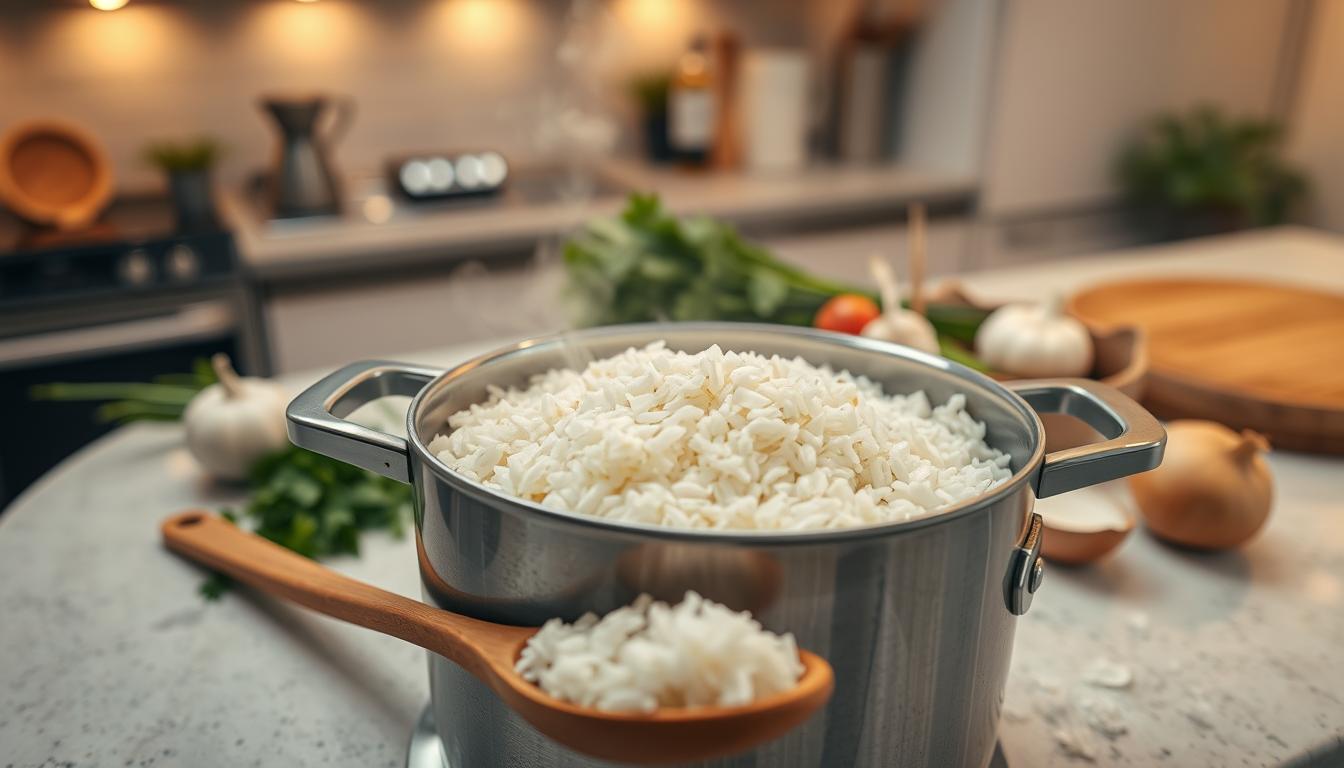
Opening your pot to find soggy grains instead of fluffy rice is a letdown. Many wonder why does my rice turn out mushy even when they follow the package instructions. It’s frustrating when your dinner plans don’t work out, but you’re not alone.
Mostly, mushy rice is due to too much liquid or cooking it for too long. But, you can often fix it with a few simple steps. I’ve found ways to fix mushy rice without needing to be a pro chef. By learning these basic techniques, you can control your kitchen and make sure every batch is perfect.
Key Takeaways
- Excess liquid is the primary culprit for soggy grains.
- Overcooking causes the starch to break down into a paste.
- You can often salvage a batch by spreading it on a baking sheet.
- Proper water-to-grain ratios prevent future texture issues.
- Low heat is essential for achieving a fluffy final product.
Understanding the Science Behind Why Does My Rice Turn Out Mushy
The secret to avoiding sticky rice is in the tiny changes during boiling. Getting the perfect rice texture means knowing how heat and water affect the grain. Understanding these changes helps me control the final dish.
The Role of Starch Gelatinization
The cooking process changes rice starch at its core. As water heats up, starch granules absorb moisture and swell. This makes the grain soft and ready to eat.
But, if heat stays too high for too long, things go wrong. The granules swell too much and burst, releasing extra starch. This makes the rice thick and glue-like, losing its fluffiness.
How Water Absorption Affects Texture
Getting the right amount of water is key for each grain’s structure. Too much water makes grains soak up more liquid than they should. This breaks down the grain’s shape, making it mushy.
To avoid this, I keep the water-to-grain ratio just right. This ensures the grains stay firm but tender.
Identifying the Signs of Overcooked Rice
I can spot overcooked rice by looking at it. Split grains that have lost their shape are a clear sign. These grains look flattened or broken, not distinct.
Touching the rice is another way to tell if it’s overcooked. If it feels too soft or sticky, it’s absorbed too much water. Spotting these signs early helps me improve my cooking next time.
Selecting the Right Rice Variety for Your Dish
Finding the right rice can make all the difference. Not all grains cook the same way. Choosing the wrong rice varieties often leads to mushy results. It’s important to know how different types react to heat and water.
Long-Grain Versus Short-Grain Characteristics
Long-grain rice, like white rice, has more amylose. This keeps the grains fluffy and separate after cooking.
Short-grain rice, on the other hand, has more amylopectin. This makes it sticky and clingy when heated. Choose your grain based on the texture you want for your meal:
- Long-grain: Great for pilafs, salads, and side dishes.
- Short-grain: Perfect for sushi, risotto, or rice pudding.
Why Jasmine and Basmati Require Different Ratios
Aromatic rice varieties like Jasmine and Basmati are loved for their smell and delicate texture. They are long-grain, so they need special care to keep their shape.
Jasmine rice is softer and might need less water to avoid mushiness. Basmati is known for its long grains that should stay separate. Using a bit less water helps keep their unique, airy texture.
The Impact of Parboiled Versus White Rice
Processing methods change how rice varieties handle moisture. Parboiled rice is steamed before milling, making it harder and more forgiving when cooking.
Parboiled rice is hard to overcook. White rice, without this layer, is more sensitive to too much water and heat. Beginners might find parboiled rice easier to work with.
Mastering the Essential Pre-Cooking Preparation
The secret to perfect grains is in the prep work before cooking. Many rush this step, but proper rice preparation is key. Taking a few extra minutes can make your dish perfect, not clumpy.
The Importance of Rinsing Away Excess Surface Starch
Dry grains come with a fine powder. This rice starch makes rice sticky. If not washed off, it turns into a thick paste when heated.
Rinsing removes this powder, keeping grains separate. I make sure the water is clear before cooking. This simple step greatly improves your dish’s texture.
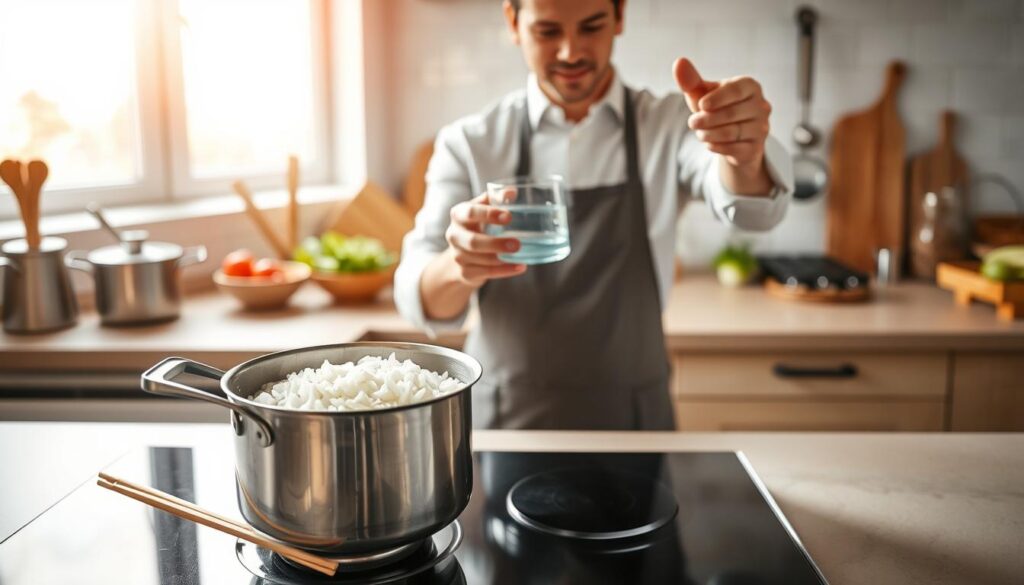
How to Rinse Rice Properly Without Breaking Grains
Be gentle when rinsing grains to avoid damage. I rinse in a fine-mesh strainer or deep bowl. In a bowl, I swirl the grains with my fingers and drain until clear.
Avoid scrubbing or rubbing grains together. Delicate handling keeps grains whole and prevents starch release. When the water is mostly clear, your grains are ready to cook.
Soaking Techniques for Specific Varieties
Some rice types benefit from a short soak before cooking. Soaking ensures even moisture absorption, preventing mushy exteriors and hard centers. This is great for long-grain or older rice.
But be careful not to over-soak, as it can make grains brittle. I soak for 15 to 30 minutes, depending on the type. The table below shows how different rice preparation needs vary.
| Rice Variety | Rinsing Required | Soaking Recommended | Texture Goal |
|---|---|---|---|
| Basmati | Yes | Yes (20 mins) | Fluffy and long |
| Jasmine | Yes | No | Soft and slightly sticky |
| Short-Grain | Yes | Yes (30 mins) | Chewy and cohesive |
| Brown Rice | Yes | Yes (1 hour) | Nutty and firm |
Determining the Perfect Water to Rice Ratio
Many home cooks struggle with consistency because they rely on outdated advice regarding water measurements. I have learned that achieving perfect rice is simply a matter of accurate measurements and knowing the correct liquid levels for your specific equipment. Relying on a single, universal rule often leads to disappointment in the kitchen.
The Standard Ratio Myth
You have likely heard the common advice to use two cups of water for every one cup of rice. While this standard ratio works for some, it is often a myth that ignores the variables of heat, pot type, and grain variety. Different rice types absorb moisture at different rates, making a one-size-fits-all approach unreliable.
If you want to avoid mushy results, you must move away from rigid rules. Instead, focus on the specific needs of the grain you are preparing. Understanding the rice water ratio is the first step toward gaining control over your final texture.
Adjusting Ratios Based on Cooking Method
The way you cook your grains significantly changes how much liquid is required. Whether you use a traditional pot or a modern appliance, your technique dictates the evaporation rate. I always adjust my liquid levels based on the equipment I choose for the day.
Stovetop Absorption Method Requirements
When using the rice absorption method on a stovetop, you must account for steam loss. Because pots vary in how tightly they seal, you might need slightly more water if your lid is loose. I recommend starting with a 1:1.5 ratio and adjusting based on your stove’s heat intensity.
Electric Rice Cooker Calibration
An electric rice cooker is designed to manage heat and moisture automatically. These machines often require less water than stovetop methods because they trap steam more efficiently. Always check the manufacturer’s guidelines for your specific rice cooker to ensure proper calibration.
| Cooking Method | Water to Rice Ratio | Best For |
|---|---|---|
| Stovetop | 1 : 1.5 | Long-grain white rice |
| Rice Cooker | 1 : 1.25 | Jasmine or Basmati |
| Absorption Method | 1 : 2 | Brown or whole grain |
By mastering these ratios, you will be well on your way to achieving perfect rice regardless of the appliance you use. Consistent results come from testing your rice water ratio and making small tweaks until you find the balance that works for your kitchen setup.
Controlling Heat and Cooking Time for Texture
Getting the right grain integrity begins with managing heat. Even top rice varieties can go wrong if heat isn’t handled right. The right heat keeps each grain separate, not mushy.
The Dangers of Boiling Too Vigorously
Many cooks boil water too hard for cooking rice. This high heat makes grains hit each other hard. This breaks down the outer layer, ruining the rice texture.
Why Simmering is the Secret to Grain Integrity
I always say to simmer gently after boiling starts. Lowering the heat lets water soak into the grain slowly. This steady, low-temperature environment helps rice cook evenly without falling apart.
Using a Tight-Fitting Lid to Trap Steam
A tight lid is key to trapping steam for cooking. Without it, the top rice stays hard while the bottom gets mushy. Use a heavy lid to keep the pot sealed and pressure consistent.
| Heat Level | Effect on Rice | Resulting Texture |
|---|---|---|
| High Boil | Violent agitation | Mushy and broken |
| Gentle Simmer | Controlled absorption | Fluffy and distinct |
| No Lid | Rapid moisture loss | Uneven and dry |
Troubleshooting Common Cooking Mistakes
Many kitchen problems come from simple mistakes made while cooking. Even with good intentions, rice cooking mistakes can ruin a meal. Knowing these small errors helps make rice fluffy every time.
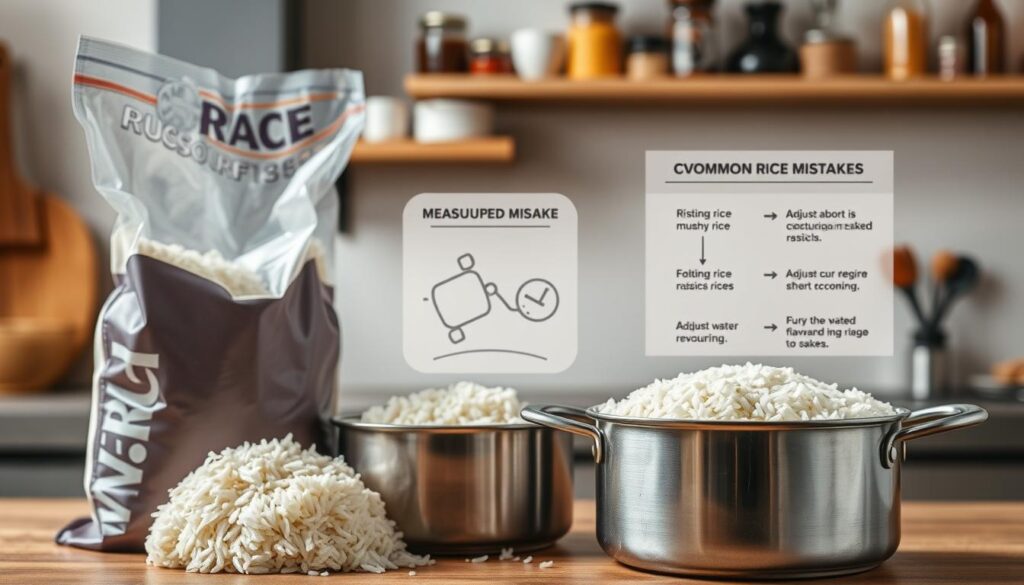
Opening the Pot Too Frequently
One big mistake is checking the rice too often. Opening the pot lets out vital steam needed for even cooking. This can cause undercooked rice with a hard, chalky center.
The Pitfalls of Stirring During the Cooking Process
It’s tempting to stir rice to prevent sticking. But stirring is a big mistake. It stirs up starch, making the rice sticky and clumpy.
Managing Residual Heat After Turning Off the Stove
Many think the job is done when the timer goes off. But the pot keeps heating the rice after the stove is off. Leaving the lid on too long can make the rice mushy. It’s best to remove the pot from the heat or slightly crack the lid to let moisture out.
Rescuing Mushy Rice Before You Toss It
When my rice turns out too soft, I use a few tricks to fix it. It’s easy to feel down when your rice gets mushy. But, you can often fix mushy rice with a bit of patience. Before tossing it, try these methods to balance the rice moisture levels.
Spreading Rice on a Baking Sheet to Evaporate Moisture
The best way to save mushy rice is to let it dry out. Spread the cooked rice on a big baking sheet. Then, put it in the fridge for about 20 minutes. The cool air will help dry out the rice and make it firmer.
Using the Oven to Dry Out Excess Water
If the fridge method doesn’t work, try your oven. Set it to 200°F and put the rice inside for a few minutes. This low heat will dry out the rice without burning it. You can then use it in your meal.
“In the kitchen, there are no mistakes, only opportunities to create something new and unexpected.”
Repurposing Mushy Rice into Fried Rice or Congee
When the rice is too soft for a side dish, you can turn it into something else. You can fix mushy rice by making a hearty congee or savory fried rice. The soft texture works well in these dishes.
| Method | Best For | Time Required |
|---|---|---|
| Fridge Cooling | Slightly soft grains | 20 Minutes |
| Low Oven Heat | Excessive water | 10 Minutes |
| Repurposing | Very mushy rice | 15+ Minutes |
These methods can help you save mushy rice and avoid wasting food. Whether you dry it out or turn it into a new dish, you can enjoy a tasty meal.
Advanced Tips for Consistent Results Every Time
Being consistent is key for a great cook, and making perfect rice is no exception. While simple methods work for many, adding some professional tips can make a big difference. These rice cooking tips will help you get that restaurant-quality texture at home.
Investing in a High-Quality Rice Cooker
Struggling with uneven textures? A dedicated rice cooker might be the answer. These appliances are designed to control temperature and moisture perfectly. They automate the cooking process, ensuring every batch is just right.
The Benefits of Letting Rice Rest Before Fluffing
Patience is essential, yet often overlooked. After the timer goes off, don’t rush to open the lid. Let the rice rest for at least ten minutes. This allows steam to spread evenly, making sure all grains are perfectly cooked.
Using a Fork Instead of a Spoon for Fluffing
When it’s time to serve, the right tool matters. Always use a fork to fluff the rice, not a spoon. A spoon can press down on the grains, causing clumps and a heavy texture. A fork, on the other hand, helps you achieve that light, fluffy rice everyone loves.
By using these rice cooking tips, you’ll see a big improvement in your meals. Whether you have a fancy rice cooker or a traditional pot, these tweaks lead to consistently fluffy rice. Mastering these techniques will make you a confident home chef.
Conclusion
Cooking rice is a mix of science, skill, and the right tools. Every grain shows how important controlling heat and water is.
You now know how to fix common problems and get better at cooking. By following these tips, your rice will stay light and fluffy.
Even skilled cooks face kitchen challenges. See each batch as a chance to get better. Brands like Zojirushi or Tiger can help, but knowing your rice is key.
I hope this guide makes your rice cooking a success. Your confidence will grow with each try. Try different types to find your favorite.
FAQ
Why does my rice always turn out gummy even when I follow the package instructions?
Package instructions, like those for Mahatma White Rice, often suggest too much water. This can make the rice too sticky. Try using a bit less water and rinse the rice well to remove excess starch.
Can I use a Zojirushi rice cooker to fix the texture of my grains?
A Zojirushi cooker is great for keeping the right temperature. But, it can’t fix rice that’s too wet. If your rice is too wet, use the “Keep Warm” setting with the lid open. This helps the steam escape without cooking the rice more.
Does the altitude or humidity in my kitchen affect why my rice turns out mushy?
Yes, humidity can make rice stickier. On humid days, use a bit less water. Pressure cookers like Instant Pots can also make rice soggy because they don’t let steam out.
Is there a specific brand of rice that is less likely to become overcooked?
Lundberg Family Farms makes high-quality rice that stays firm. Try their Organic Basmati for better results. Basmati has a higher amylose content, making it less sticky than other varieties.
How can I use the oven to rescue a pot of waterlogged rice?
If your rice is too wet, don’t worry. Drain excess water and spread the rice on a baking sheet. Bake at 200°F for 5-10 minutes. This helps dry out the rice and makes it firmer.
Should I add oil or butter to the pot to prevent clumping?
Adding a bit of Kerrygold butter or olive oil helps. It coats the grains and prevents them from sticking together. This trick works well with Uncle Ben’s converted rice.
Why is it important to use a fork instead of a spoon for fluffing?
Using a spoon can crush the rice, making it mushy. Use a fork or rice paddle to fluff the rice gently. This keeps the rice light and separate.