
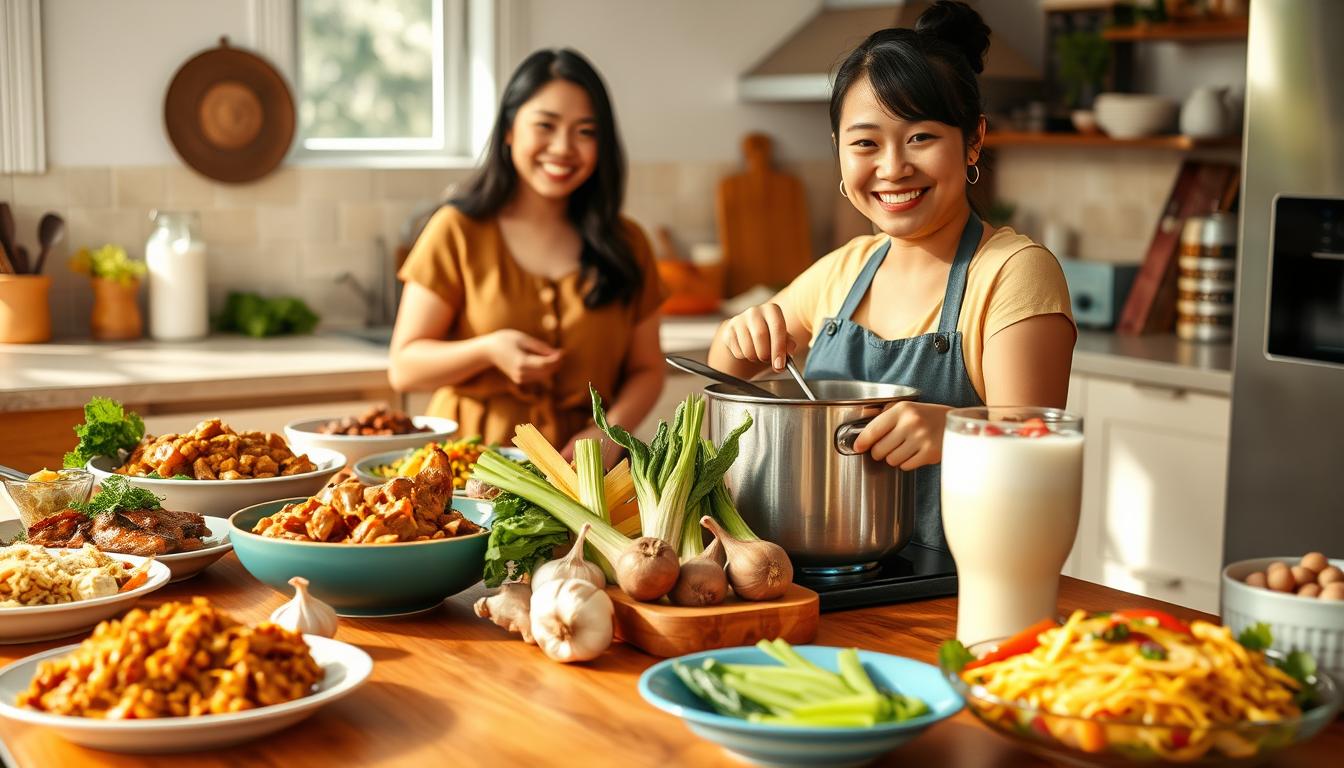
Easy Filipino Recipes for American Kitchens (No Specialty Store Required)
Filipino food is one of the most underrated cuisines in the world — bold, layered, and deeply satisfying. If you’ve ever tasted chicken adobo at a friend’s house or spotted pancit at a potluck and thought “I need to learn how to make this,” you’re in the right place.
The good news? You don’t need to live near a Filipino grocery store to cook authentic Filipino food at home. Most of what you need is already sitting in your pantry or waiting at your local supermarket. This guide walks you through everything: essential ingredients, classic techniques, beginner-friendly recipes, and smart substitutions — so you can bring the flavors of the Philippines into your American kitchen tonight.
What Makes Filipino Food Unique?
Filipino cuisine is a fascinating blend of Spanish, Chinese, Malay, and American influences — the result of centuries of trade and colonization. The flavor profile is unlike any other Asian cuisine: tangy from vinegar, savory from soy sauce, garlicky, and subtly sweet. Dishes like adobo and sinigang make masterful use of acid and umami in ways that feel both exotic and deeply comforting.
Essential Filipino Pantry Staples (Available at Most US Grocery Stores)
Before you dive into recipes, stock these five pantry staples. They’re the backbone of almost every Filipino dish.
1. Soy Sauce Look for Silver Swan or Datu Puti brands at Asian markets — they have a more balanced, less aggressively salty flavor than standard American soy sauce. In a pinch, low-sodium Kikkoman works well too.
2. Cane Vinegar (or Apple Cider Vinegar) Cane vinegar is the soul of Filipino cooking, lending a mild, slightly sweet acidity to braised dishes and dipping sauces. If you can’t find it, apple cider vinegar is the closest substitute — use it in equal amounts.
3. Fresh Aromatics: Garlic, Onion, and Ginger Filipino cooking is unapologetically garlicky. Most dishes start with these three aromatics sautéed in oil, forming a fragrant base that carries the entire dish. Don’t skimp here.
4. Jasmine Rice Long-grain jasmine rice is the daily staple. Its slight fragrance and soft texture make it ideal for soaking up the rich sauces Filipino dishes are known for.
5. Fish Sauce or Shrimp Paste (Bagoong) These fermented condiments add deep umami and a salty punch to vegetable dishes like pinakbet. Fish sauce is easy to find at most grocery stores; bagoong is worth seeking out at Asian markets.
| Ingredient | Primary Use | Easy Substitute |
|---|---|---|
| Cane Vinegar | Adobo, dipping sauces | Apple Cider Vinegar (1:1) |
| Calamansi | Marinades, sauces | Equal mix of lemon + lime juice |
| Water Spinach (Kangkong) | Stir-fries, stews | Bok choy or kale |
| Longganisa sausage | Breakfast plates | Sweet Italian or breakfast sausage with a glaze of soy sauce, sugar, and vinegar |
The Most Popular Easy Filipino Recipes to Start With
1. Chicken Adobo — The Gateway Filipino Recipe
If you only make one Filipino dish this year, make chicken adobo. It’s tangy, savory, melt-off-the-bone tender, and arguably the most satisfying weeknight dinner you’ll ever make. There are dozens of regional variations, but here’s the classic version that works beautifully in an American kitchen.
How to make it:
- Make the marinade. Combine ½ cup soy sauce, ½ cup white cane vinegar (or apple cider vinegar), 8 cloves crushed garlic, 2 bay leaves, and 1 teaspoon whole black peppercorns. Marinate 2–3 lbs of chicken thighs for at least one hour (overnight is even better).
- Sear first. Brown the chicken in a hot pan with a little oil before braising. This step adds a flavorful crust and depth you can’t skip.
- Braise low and slow. Add the marinade back to the pan and simmer on low heat for 30–40 minutes until the chicken is tender and the sauce reduces to a sticky, glossy glaze.
- Balance the flavor. Taste as it reduces. If it’s too sharp, add a teaspoon of brown sugar. Too salty? A splash of water brings it back into balance.
- Rest before serving. Let the chicken rest 5 minutes before plating. Serve over steamed jasmine rice and spoon the sauce generously over everything.
Pro tip: Adobo tastes even better the next day. The flavors deepen overnight, making it a perfect meal prep recipe.
2. Garlic Fried Rice (Sinangag) — The Perfect Filipino Breakfast

Sinangag is a Filipino breakfast staple made with day-old rice, fried until golden and fragrant with garlic. It’s the base for the beloved Filipino breakfast combo called tapsilog — rice, marinated beef (tapa), and a sunny-side-up egg.
How to make it:
- Use cold, day-old jasmine rice (freshly cooked rice is too wet and will steam instead of fry).
- Heat 2 tablespoons of oil in a wide pan over medium-high heat.
- Add 6–8 cloves of minced garlic and fry until golden and fragrant, about 2 minutes.
- Add the cold rice, breaking up any clumps with a spatula.
- Season generously with salt. Fry for 4–5 minutes, stirring often, until the rice is slightly crispy.
Serve alongside a sunny-side-up egg fried in hot oil (the edges should be lacy and crispy) and whatever protein you have on hand — leftover adobo, sweet breakfast sausage glazed with soy and sugar, or even canned sardines.
3. Ginisang Monggo — A Hearty Weeknight Mung Bean Stew
This humble mung bean stew is pure weeknight comfort food. It’s protein-rich, deeply savory, and comes together in under 40 minutes. Think of it as the Filipino version of lentil soup — but better.
Key ingredients: split mung beans (available at Indian or Asian grocery stores, or online), pork belly or shrimp, garlic, onion, tomatoes, fish sauce, and a big handful of fresh spinach or bok choy stirred in at the end.
The spinach wilts into the warm broth, adding color and nutrients without turning mushy — as long as you add it in the last two minutes of cooking.
4. Pinakbet — A Bold Filipino Vegetable Stir-Fry
Pinakbet is a Ilocano vegetable dish that’s earthy, funky (in the best way), and endlessly adaptable. The traditional version uses bitter melon, okra, eggplant, and squash, bound together with shrimp paste. But it translates beautifully to American supermarket produce.
American-kitchen version: Use green beans, zucchini, butternut squash, and eggplant. Sauté garlic and onion, add your vegetables in order of density (squash first, green beans last), and season with fish sauce or a small amount of shrimp paste. The key is high heat and a short cook time — you want the vegetables tender-crisp, not mushy.
Cooking Techniques That Make a Real Difference
Use your slow cooker for braised dishes. Dishes like adobo and kaldereta (a rich tomato-based meat stew) are ideal for a Crock-Pot. Toss everything in before work, and come home to a deeply flavored, fall-apart tender meal.
Always sear meat before braising. Browning meat in a very hot pan creates a flavorful crust through the Maillard reaction — it adds texture and complexity that slow cooking alone can’t achieve.
Add vegetables in stages. Dense vegetables like squash and carrots go in first; leafy greens and delicate vegetables go in during the last few minutes. This keeps everything at the right texture.
Rest your meat. This applies to every protein, Filipino or not. Slicing into meat immediately after cooking loses all those precious juices. Give it 5–10 minutes.
Smart Ingredient Substitutions for American Kitchens
| Original Filipino Ingredient | Best American Substitute | Notes |
|---|---|---|
| Calamansi juice | 1:1 mix of lemon + lime juice | Add a splash of OJ for sweetness if needed |
| Cane vinegar | Apple cider vinegar | Same acidity, slightly fruitier |
| Water spinach (kangkong) | Bok choy or kale | Add at the very end of cooking |
| Longganisa | Sweet breakfast sausage | Glaze with soy sauce + brown sugar + vinegar |
| Shrimp paste (bagoong) | Fish sauce | Less pungent, but same umami depth |
Hosting a Filipino-Inspired Dinner Party
Filipino food is made for sharing. The tradition of kamayan — eating together from a communal spread laid out on banana leaves — captures everything that makes Filipino dining culture special.
For a dinner party menu that balances flavors and effort, try this combination:
- Protein: Chicken Adobo or crispy Lechon Kawali (pan-fried pork belly)
- Vegetable side: Ginisang Monggo or stir-fried pinakbet
- Dessert: Leche flan or store-bought halo-halo
Beverage pairings: The vinegar and soy base of most Filipino dishes pairs beautifully with crisp lagers, dry Riesling, or sparkling lemonade. For dessert, iced black coffee cuts through the sweetness of leche flan perfectly.
Common Mistakes to Avoid
Overcooking proteins. Fish and thin pork slices cook fast. Use gentle, medium-low heat and pull them off the heat the moment they’re done.
Skipping the rest. Slicing into seared or braised meat immediately means losing all the juices. Always rest 5–10 minutes.
Imbalanced sauce. If your adobo sauce is too salty, add a splash of water. Too sharp? A pinch of sugar. Too flat? A dash more soy sauce or a squeeze of citrus. Taste constantly as the sauce reduces.
Cooking all vegetables at the same time. Squash takes 10 minutes; spinach takes 90 seconds. Add them in order of how long they take to cook.
Frequently Asked Questions
Can I make Filipino food without a Filipino grocery store? Yes — most essential Filipino ingredients have solid substitutes available at standard American supermarkets. Apple cider vinegar replaces cane vinegar, lemon-lime juice replaces calamansi, and bok choy works beautifully in place of Filipino greens.
What’s the best Filipino recipe for beginners? Chicken adobo. It requires minimal technique, uses five pantry ingredients, and is nearly impossible to mess up. Once you’ve made it once, you’ll make it every week.
Is Filipino food spicy? Generally, no. Filipino cuisine is more focused on balancing salty, sour, and sweet flavors than heat. That said, dishes like dinuguan and some regional versions of bicol express can be quite spicy — but that’s the exception, not the rule.
How do I store leftover adobo? Adobo keeps in the fridge for up to 5 days and actually improves with time as the flavors continue to meld. It also freezes well for up to 3 months.
Final Thoughts
Filipino cuisine has been a hidden gem in the American food scene for too long. With its bold sauces, fragrant garlic rice, and the kind of slow-braised, deeply savory comfort food that feels like a warm hug — it deserves a spot in every home cook’s regular rotation.
Start with chicken adobo. Then try garlic fried rice. Then invite some friends over for a full spread. Once you taste the difference a good adobo marinade makes, there’s no going back.
Have a Filipino recipe you love or a question about substitutions? Drop it in the comments — I’d love to help you make it work in your kitchen.